
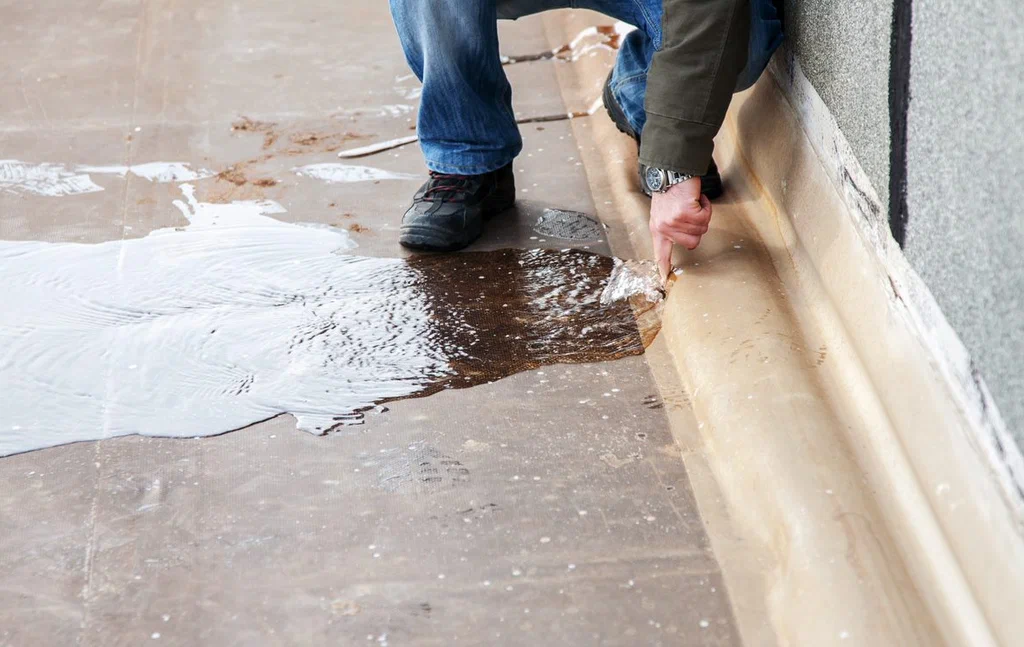
A slab leak occurs when a water pipe beneath your home’s concrete foundation bursts or leaks. Fixing a Hyde Park slab leak involves professional leak detection, followed by repairs like direct pipe access, trenchless epoxy relining, or pipe re-routing to prevent severe structural damage.
Unexpected water damage creates immense stress for any homeowner. Homes built on concrete foundations face an extra layer of difficulty because the plumbing sits completely out of sight. The clay-heavy soil and specific construction characteristics in the Hyde Park area often cause the ground to shift over time. This shifting makes properties here highly susceptible to underground pipe damage.
The purpose of this guide is to educate homeowners on how to identify, address, and prevent hidden water leaks beneath their floors. By learning the warning signs and understanding the repair process, you can protect your property from massive structural issues. If you suspect an underground issue, calling a reliable plumber in Hyde Park early on will save you significant time and money. Read on to learn exactly what a slab leak repair in Hyde Park entails, the methods used to fix the problem, and when it is time to call for professional backup.
What exactly is a slab leak in a residential home?
A slab leak is a plumbing industry term for a water pipe leak that occurs beneath the concrete foundation of a home. Because the pipes are buried under heavy concrete, you cannot see the leak when it first starts.
Several common factors cause these underground pipes to fail:
- Soil shifting: The ground naturally expands and contracts, which puts immense pressure on underground plumbing lines.
- Pipe corrosion: Older homes often have copper or galvanized steel pipes that degrade and rust over time.
- Abrasion: As water flows, pipes naturally expand and vibrate. If they rub against the concrete slab or gravel, the friction eventually wears a hole in the metal.
- Poor construction: Improperly installed pipes or low-quality materials can buckle under the weight of the home.
(Imagine a simple diagram here: A cross-section of a house showing the concrete foundation at the bottom, with a blue water pipe running directly beneath it. A small starburst icon indicates a crack in the pipe, with water seeping upward into the concrete slab.)
Addressing a Hyde Park slab leak repair immediately is crucial to stop water from eroding the soil supporting your home.
What are the warning signs of a hidden foundation leak?
Because you cannot clearly see the plumbing under your floorboards, you must rely on secondary clues to catch a slab leak. Pay close attention to these physical indicators:
- Spikes in water bills: A sudden, inexplicable increase in your monthly water usage is often the first sign of an underground leak.
- Damp or warm spots on the floor: Hot water line leaks will heat the surrounding concrete, creating noticeably warm areas on your floor.
- The sound of running water: If you hear a hissing or rushing water sound when all faucets and appliances are turned off, water is likely escaping beneath you.
- Reduced water pressure: A significant leak redirects water away from your fixtures, causing a drop in water pressure during a shower or while washing dishes.
- Unpleasant odors: Hidden moisture quickly breeds mold and mildew, leading to a persistent musty smell in your home.
- Cracking baseboards or flooring: As water saturates the foundation, it forces the wood to warp, tiles to crack, and baseboards to separate from the walls.
Acting quickly upon noticing these signs will prevent severe structural damage to your home’s foundation.
How does the slab leak repair process work?
Homeowners often panic at the thought of a slab leak because they assume a plumber must destroy their entire floor. Fortunately, modern technology allows professionals to handle the situation with minimal destruction.
First, a specialist detects the exact location of the leak using non-invasive technology. They use electronic amplification equipment to listen for the specific frequency of escaping water. They also use thermal imaging cameras to spot temperature changes under the floor.
Once the plumber locates the exact problem area, they will recommend one of three common repair methods:
- Direct access: The plumber breaks a small, targeted portion of the concrete slab to reach the damaged pipe. They remove the broken segment and solder a new piece of pipe in its place. This is highly effective for single, isolated leaks.
- Trenchless repair (Pipe relining): The plumber cleans the inside of the damaged pipe and coats it with a durable epoxy resin. The resin hardens to create a new, waterproof pipe right inside the old one. This seals the leak from the inside without destroying your flooring.
- Re-routing: If the underground pipes are too old or severely damaged, the plumber abandons the leaking line completely. They run a brand new water pipe through your walls or attic to bypass the foundation entirely. While this requires opening some drywall, it permanently removes the risk of future slab leaks in that line.
Choose trenchless repair if avoiding flooring damage matters more than upfront costs. Choose re-routing if your home has a history of multiple plumbing failures.
Why should you hire a professional for foundation leaks?
Attempting a DIY fix on a foundation leak carries severe risks. You lack the specialized listening equipment needed to pinpoint the leak. Guessing where the leak is located usually leads to needlessly tearing up large sections of your floor, severely compromising the structural integrity of your home.
Hiring an experienced Hyde Park plumber ensures the job is done safely and correctly. A licensed local expert understands regional building codes, recognizes the specific soil challenges in the area, and carries the right diagnostic equipment to solve the problem without causing further damage.
Consider a homeowner who tried to fix a damp spot by applying surface sealant to their basement floor. Because they ignored the root cause beneath the concrete, the pressurized water eventually carved a cavity in the dirt under the house. The foundation cracked, resulting in a massive $15,000 structural repair. Calling a specialist right away would have solved the problem for a fraction of that cost.
Protect your foundation and your wallet
Early detection remains the most critical factor in minimizing water damage. Professional repair methods vary based on the severity of the leak, but ignoring the problem always leads to worse outcomes. Monitor your water bills closely and check your floors regularly for unexplained warm spots or moisture.
Do not wait for a small leak to turn into a foundation collapse. Schedule a home inspection or request a quote from our team of experts today to address any plumbing concerns safely and effectively.
Frequently Asked Questions
How much does it cost to fix a slab leak?
The cost depends heavily on the repair method used. Direct access repairs typically cost less upfront, while trenchless epoxy relining or complete pipe re-routing requires a higher initial investment but prevents future flooring damage.
Does homeowners insurance cover slab leaks?
Most standard homeowners insurance policies cover the sudden and accidental water damage caused by a slab leak. However, they usually do not cover the cost of repairing the actual plumbing pipe itself, especially if the leak resulted from long-term wear and tear.
How long does a trenchless slab leak repair take?
A professional plumbing team can usually complete a trenchless epoxy pipe repair in one to two days. This process is much faster than traditional excavation because it requires no concrete demolition or flooring replacement.
Can a slab leak cause my foundation to sink?
Yes. If left unchecked, the water escaping from a slab leak will wash away the soil supporting your home. This creates empty voids beneath the concrete, eventually causing the foundation to crack, sink, or collapse entirely.