
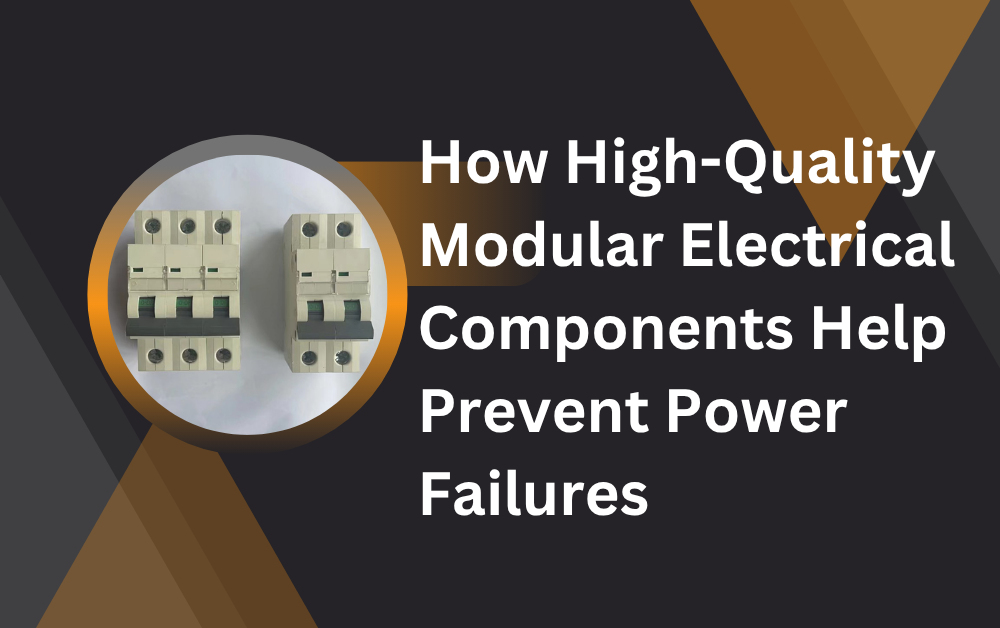
Power failures can create serious disruptions in homes, commercial buildings, and industrial facilities. From interrupted business operations to damaged electrical equipment, the impact of unstable electrical systems can be costly and dangerous. As modern infrastructure becomes increasingly dependent on uninterrupted electricity, the importance of reliable electrical components continues to grow. One of the most effective ways to reduce the risk of electrical breakdowns is by using high-quality modular electrical components.
Modular electrical components are designed to improve safety, simplify installation, and enhance the overall performance of electrical systems. These components include modular switches, circuit breakers, distribution boards, sockets, relays, contactors, and protection devices that work together to maintain a stable flow of electricity. When manufactured with high-quality materials and advanced engineering standards, these products help prevent overloads, short circuits, voltage fluctuations, and system failures.
The growing demand for energy-efficient and safe electrical systems has encouraged industries and households to invest in superior modular electrical solutions. Choosing quality components not only improves electrical reliability but also ensures long-term operational efficiency.
Understanding Modular Electrical Components
Modular electrical components are pre-designed devices that can be easily installed and replaced within a system. Unlike traditional electrical fittings, modular systems are built with standardized dimensions and enhanced safety mechanisms. They are commonly used in residential, commercial, and industrial electrical installations.
These components are designed to work together in a coordinated manner. They offer flexibility in installation, easy maintenance, and improved protection against electrical hazards. Modern modular systems are compact, aesthetically appealing, and capable of handling higher electrical loads efficiently.
Common modular electrical components include:
- Miniature Circuit Breakers (MCBs)
- Residual Current Circuit Breakers (RCCBs)
- Distribution Boards
- Modular Switches and Sockets
- Surge Protection Devices
- Contactors and Relays
- Fuse Units
Each component plays a specific role in protecting electrical circuits and ensuring smooth power distribution.
NOTE:- Being a reliable Modular MCB Supplier In India, Home Electric had supplied premium modular MCBs that ensured safety, performance, and energy efficiency. The company had consistently delivered products that met industry standards and customer expectations. Get in touch with Home Electric now for reliable electrical solutions tailored to your needs.
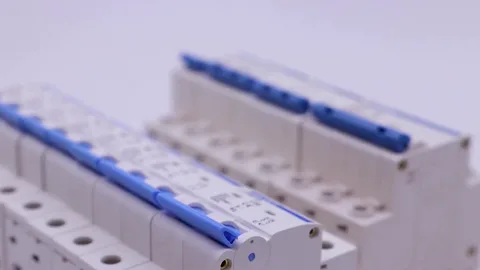
Causes of Power Failures in Electrical Systems
Before understanding how modular components prevent power failures, it is important to identify the common causes of electrical disruptions. Power failures can occur due to several factors, including:
Overloaded Circuits
When electrical circuits carry more current than their rated capacity, excessive heat is generated. This can damage wiring and connected equipment, eventually leading to system failure.
Short Circuits
A short circuit occurs when live wires come into direct contact with neutral or grounding wires. This creates a sudden surge of current that can damage appliances and create fire hazards.
Voltage Fluctuations
Irregular voltage supply can affect the performance of electrical equipment. Sensitive devices such as computers, medical systems, and industrial machines are particularly vulnerable to voltage instability.
Poor Quality Wiring and Components
Low-grade electrical products often fail to withstand heavy loads and changing environmental conditions. Inferior materials may corrode, overheat, or break down prematurely.
Environmental Factors
Dust, moisture, heat, and corrosion can reduce the efficiency of electrical systems. Components that lack proper insulation and protection are more likely to fail under harsh conditions.
High-quality modular electrical components are specifically designed to address these challenges and improve overall system reliability.
Improved Circuit Protection
One of the primary advantages of high-quality modular electrical components is enhanced circuit protection. Devices such as MCBs and RCCBs are designed to automatically disconnect power during abnormal conditions.
Protection Against Overloads
Premium MCBs detect excessive current and trip instantly before overheating. This prevents damage to wiring systems and connected equipment. Advanced thermal and magnetic tripping mechanisms ensure accurate response during overload situations.
Prevention of Short Circuits
High-quality circuit breakers respond rapidly to short circuits by interrupting the flow of electricity. Their quick action minimizes the risk of fire accidents and protects electrical appliances from severe damage.
Earth Leakage Protection
RCCBs monitor leakage currents and disconnect power when unsafe conditions are detected. This reduces the risk of electric shocks and protects both people and equipment.
Reliable protection systems significantly reduce the chances of unexpected power failures and improve overall electrical safety.
Better Load Management
Efficient load distribution is essential for maintaining a stable power supply. High-quality modular electrical systems are engineered to manage electrical loads effectively across multiple circuits.
Distribution boards equipped with quality busbars and protective devices ensure balanced current flow. This minimizes stress on electrical circuits and prevents overheating.
In commercial and industrial environments, modular contactors and relays help automate load control. They regulate power distribution based on demand, reducing unnecessary strain on the electrical network.
Proper load management also contributes to energy efficiency, helping organizations reduce electricity consumption and operational costs.
Enhanced Durability and Performance
The durability of electrical components directly affects the stability of the power system. High-quality modular electrical products are manufactured from superior-grade materials, including flame-retardant plastics, corrosion-resistant metals, and high-conductivity copper.
Resistance to Heat and Fire
Premium components are designed to withstand high temperatures without deforming or melting. Fire-resistant materials prevent the spread of flames during electrical faults.
Corrosion Protection
In humid or industrial environments, corrosion can weaken electrical contacts and increase resistance. Quality modular components include protective coatings and corrosion-resistant materials that maintain reliable performance over time.
Long Operational Life
High-end electrical components undergo rigorous testing to ensure long service life. Their robust construction reduces the frequency of failures and maintenance requirements.
Durable components contribute to an uninterrupted power supply and lower long-term replacement costs.
Reduction of Voltage Fluctuations
Voltage fluctuations are a major cause of equipment damage and power interruptions. High-quality modular electrical components help stabilize electrical systems by maintaining consistent current flow.
Surge protection devices protect sensitive equipment from sudden voltage spikes caused by lightning strikes, switching operations, or power grid disturbances. Voltage stabilizers and advanced protective relays further improve system reliability.
By minimizing fluctuations, these components extend the lifespan of appliances, machinery, and electronic systems.
Increased Safety Standards
Safety is one of the most critical aspects of electrical infrastructure. High-quality modular electrical components are manufactured in accordance with national and international safety standards.
These products undergo strict quality checks to ensure reliable insulation, accurate tripping performance, and safe operating conditions. Compliance with standards improves confidence in electrical installations and reduces the risk of accidents.
Child Safety Features
Modern modular switches and sockets often include safety shutters that prevent accidental electric shocks. These features are especially useful in residential buildings and schools.
Arc Protection
Advanced electrical devices are designed to minimize arc formation during switching operations. This reduces fire risks and improves operational safety.
Safe electrical systems not only prevent power failures but also protect human lives and valuable assets.
Simplified Maintenance and Troubleshooting
One of the key advantages of modular systems is their ease of maintenance. Since components are standardized and easily replaceable, electrical technicians can quickly identify and resolve faults.
Faster Fault Detection
Modular distribution boards and protection devices are designed with clear labeling and organized layouts. This simplifies troubleshooting and reduces downtime during repairs.
Easy Replacement
If a component fails, it can be replaced individually without disturbing the entire electrical system. This minimizes operational interruptions and maintenance expenses.
Efficient maintenance practices improve system reliability and reduce the likelihood of prolonged power outages.
Support for Modern Electrical Demands
Modern buildings and industries use a large number of electrical devices, automation systems, and digital technologies. Traditional electrical systems may struggle to handle these increasing power demands.
High-quality modular electrical components are designed to support advanced electrical infrastructure. They are compatible with automation systems, smart controls, and energy management technologies.
Smart Electrical Integration
Modern modular systems can integrate with smart monitoring solutions that track power consumption, detect faults, and provide real-time performance data. This enables proactive maintenance and better energy management.
Scalability
Modular systems can be expanded easily as electrical requirements grow. Additional circuits and devices can be integrated without major modifications to the existing infrastructure.
This flexibility makes modular electrical systems ideal for future-ready buildings and industrial facilities.
Importance in Industrial Applications
Industries rely heavily on an uninterrupted power supply for continuous production and operational efficiency. Even a short power failure can lead to significant financial losses.
High-quality modular electrical components play a crucial role in industrial environments by:
- Protecting heavy machinery from overloads
- Preventing downtime caused by electrical faults
- Supporting automated production systems
- Improving energy efficiency
- Enhancing worker safety
Industrial-grade contactors, relays, and circuit breakers are built to handle high electrical loads and demanding operating conditions. Their reliability helps maintain smooth industrial operations.
Benefits for Residential and Commercial Buildings
The benefits of modular electrical components are equally important in homes and commercial spaces.
Residential Benefits
In residential properties, quality modular switches and protection devices improve convenience, aesthetics, and safety. They reduce the risk of short circuits, appliance damage, and electrical fires.
Commercial Benefits
Commercial buildings require a stable power supply for lighting, elevators, air conditioning systems, security systems, and office equipment. High-quality modular systems ensure uninterrupted operations and better power management.
Their modern design and easy installation also contribute to improved interior appearance and maintenance efficiency.
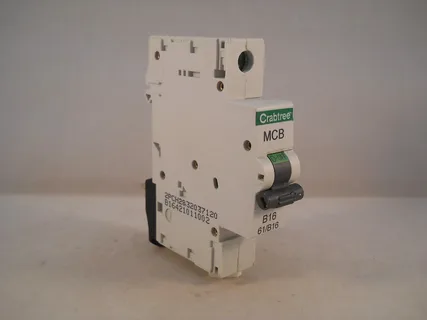
Choosing the Right Modular Electrical Components
Selecting the right electrical components is essential for achieving reliable performance. Buyers should consider several factors before making a purchase.
Product Certification
Always choose products that comply with recognized safety and quality standards. Certified products undergo strict testing for durability and performance.
Material Quality
Components made from high-grade materials provide better insulation, conductivity, and resistance to environmental damage.
Brand Reputation
Established manufacturers often invest in advanced technology, research, and quality assurance processes. Choosing reputable brands ensures better reliability and after-sales support.
Application Requirements
Electrical components should be selected based on voltage rating, load requirements, and environmental conditions.
Proper selection helps maximize safety and system efficiency.
Conclusion
High-quality modular electrical components play a vital role in preventing power failures and improving the reliability of electrical systems. Their advanced protection mechanisms, durable construction, and efficient load management capabilities help reduce the risk of overloads, short circuits, voltage fluctuations, and electrical accidents.
As energy demands continue to increase, the need for dependable electrical infrastructure becomes more important than ever. Whether in residential buildings, commercial establishments, or industrial facilities, investing in superior modular electrical components ensures long-term safety, operational efficiency, and uninterrupted power supply.
By choosing reliable and certified electrical products, users can create safer environments, minimize maintenance costs, and protect valuable equipment from unexpected failures. High-quality modular electrical systems are not just a modern convenience but an essential investment for stable and efficient power management.
