
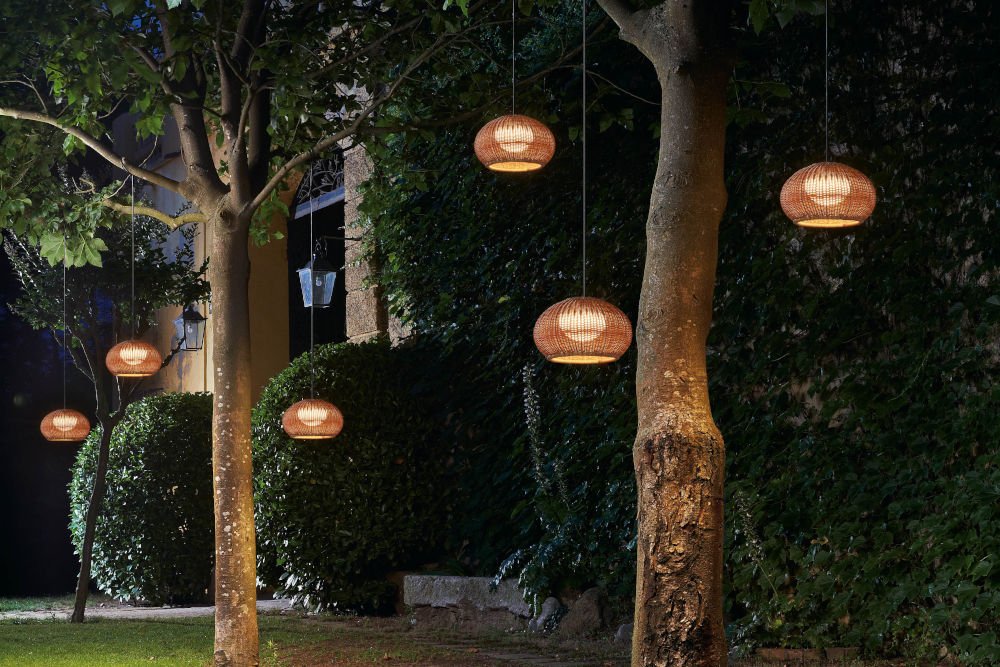
Outdoor lighting plays a significant role in shaping the comfort, safety, and appearance of residential properties. Homeowners frequently install illumination around patios, gardens, pathways, garages, and entertainment areas to improve visibility and create welcoming outdoor environments during evening hours. While lighting enhances property aesthetics and nighttime functionality, certain fixtures and bulb choices may unintentionally attract insects, including pollinators searching for warmth, shelter, or environmental orientation. Understanding this relationship helps homeowners make better decisions when selecting outdoor systems that support both comfort and ecological balance.
Pollinators rely heavily on natural environmental cues for navigation and activity patterns. Artificial illumination may interfere with these behaviors by creating confusion around movement, feeding cycles, and nighttime resting habits. Bright lights positioned near gardens, flowering plants, or entryways can sometimes attract insects toward areas experiencing regular human activity, especially during warmer months when pollinator populations become increasingly active outdoors.
Choosing Lighting Options That Reduce Insect Attraction
Selecting appropriate outdoor illumination requires more than simply choosing decorative fixtures or maximizing brightness around residential spaces. Homeowners seeking comfortable nighttime environments increasingly prioritize lighting systems minimizing insect attraction while preserving visibility, energy efficiency, and visual appeal effectively. Several important design considerations significantly influence how outdoor illumination affects surrounding pollinator activity.
Color temperature represents one of the most important factors when evaluating exterior fixtures. Cooler blue-white bulbs generally attract more insects because shorter wavelengths remain highly visible to many flying species. Warm-colored illumination featuring amber, yellow, or soft white tones typically reduces attraction levels while still providing comfortable visibility for outdoor gatherings and nighttime movement.
LED technology has become particularly popular among homeowners seeking energy-efficient and environmentally conscious lighting solutions. Modern LED fixtures generate less heat than traditional incandescent bulbs, making them somewhat less attractive to insects searching for warmth during evening hours. Additionally, many LED systems allow adjustable brightness and color settings supporting more customized outdoor environments.
Directional fixture placement also influences insect activity significantly. Lights aimed downward toward pathways or seating areas reduce unnecessary illumination spreading into gardens, trees, and surrounding vegetation where pollinators naturally gather. Shielded fixtures further minimize excessive glare while helping maintain focused and practical visibility around active outdoor spaces.
How Landscaping and Property Design Affect Outdoor Lighting Results
Outdoor illumination functions most effectively when integrated thoughtfully within broader landscaping and property design strategies. Lighting alone cannot fully determine insect activity patterns because surrounding environmental conditions strongly influence pollinator behavior as well. Homeowners seeking more comfortable nighttime environments therefore benefit from evaluating how vegetation, structural layouts, and outdoor organization interact with installed illumination systems overall.
Flowering gardens positioned directly beside patios, entryways, or seating areas naturally attract pollinators searching for nectar and pollen throughout warmer seasons. When bright lighting illuminates these spaces continuously after sunset, insects may remain concentrated near areas frequently used for relaxation or entertainment. Relocating flowering vegetation slightly farther from heavily illuminated gathering zones often improves comfort considerably.
Storage areas and exterior walls deserve attention as well. Cracks, gaps, and structural cavities illuminated regularly at night may encourage insects to investigate potential nesting opportunities nearby. Sealing vulnerable areas and maintaining clean exterior surfaces supports safer property conditions while reducing unnecessary insect attraction around lighting systems.
Some homeowners facing recurring insect activity near outdoor fixtures eventually seek professional guidance regarding surrounding nesting concerns or environmental adjustments. Individuals prioritizing humane and environmentally conscious property management may consult bee removal service in Universal City, LA when evaluating pollinator behavior patterns affecting outdoor comfort and nighttime usability around residential spaces.
Balanced outdoor design ultimately depends on understanding how multiple environmental factors interact simultaneously. Lighting systems work best when combined with thoughtful landscaping, organized property maintenance, proper airflow, and environmentally aware planning strategies supporting comfortable and visually appealing nighttime environments year-round.
Smart Technology and Modern Lighting Options
Advancements in lighting technology have transformed how homeowners approach outdoor design, energy efficiency, and environmental comfort in recent years. Modern systems now provide greater flexibility, customization, and control than traditional exterior illumination methods ever allowed. These innovations help homeowners create safer and more relaxing nighttime environments while minimizing unnecessary attraction for insects and pollinators alike.
Smart lighting systems represent one of the most influential developments within residential outdoor design. Homeowners can now control brightness levels, operating schedules, and color temperatures remotely through mobile applications or automated home systems. This flexibility allows outdoor environments to remain illuminated only when necessary, reducing prolonged exposure attracting insects unnecessarily throughout the night.
Programmable timers support energy conservation while improving outdoor comfort effectively. Rather than leaving fixtures active continuously until sunrise, homeowners can schedule illumination during specific evening periods matching outdoor activities and household routines. Reduced operating time lowers environmental disruption while helping maintain more balanced nighttime ecosystems around residential properties.
Adaptive brightness technology further improves functionality within modern systems. Some fixtures automatically adjust illumination intensity according to surrounding light conditions or detected movement nearby. Softer lighting during quieter nighttime hours often creates more peaceful outdoor atmospheres while minimizing visual disruption for both people and wildlife.
Integrated motion sensors continue gaining popularity because they provide practical security without excessive constant illumination. Entryways, pathways, garages, and patios benefit from temporary activation only when movement occurs. This targeted approach reduces unnecessary brightness while discouraging insects from gathering around permanently illuminated fixtures consistently throughout the night.
Minimalist fixture designs additionally contribute to improved outdoor conditions. Sleek and enclosed lighting units reduce exposed heat and limit open spaces where insects might gather or rest. Modern architectural styles emphasizing subtle illumination rather than overpowering brightness frequently support more comfortable and environmentally conscious outdoor experiences overall.
Creating Long-Term Outdoor Lighting Strategies
Successful outdoor lighting design involves more than selecting attractive fixtures or maximizing nighttime brightness alone. Long-term comfort depends on developing balanced strategies supporting property functionality, environmental responsibility, and sustainable outdoor living practices simultaneously. Homeowners increasingly recognize that thoughtful illumination planning contributes directly to healthier and more enjoyable residential environments overall.
Consistency remains one of the most important aspects of effective lighting management. Routine fixture inspections, bulb replacements, wiring maintenance, and seasonal adjustments help preserve efficient performance while preventing unnecessary environmental disruption gradually developing over time. Well-maintained systems generally operate more effectively while attracting fewer insects around outdoor living spaces consistently.
Environmental awareness also shapes future lighting trends significantly. Many homeowners now prioritize sustainable property improvements supporting reduced energy consumption, ecological preservation, and healthier outdoor ecosystems. Lighting systems designed thoughtfully around pollinator behavior and wildlife activity align naturally with these broader environmental goals increasingly influencing residential planning decisions worldwide.
Community education regarding responsible outdoor illumination may further strengthen environmentally conscious neighborhoods in coming years. Excessive nighttime brightness affects not only individual properties but surrounding ecosystems and neighboring households as well. Shared awareness surrounding energy efficiency, light pollution reduction, and pollinator-friendly landscaping encourages more balanced community-wide outdoor practices overall.
