
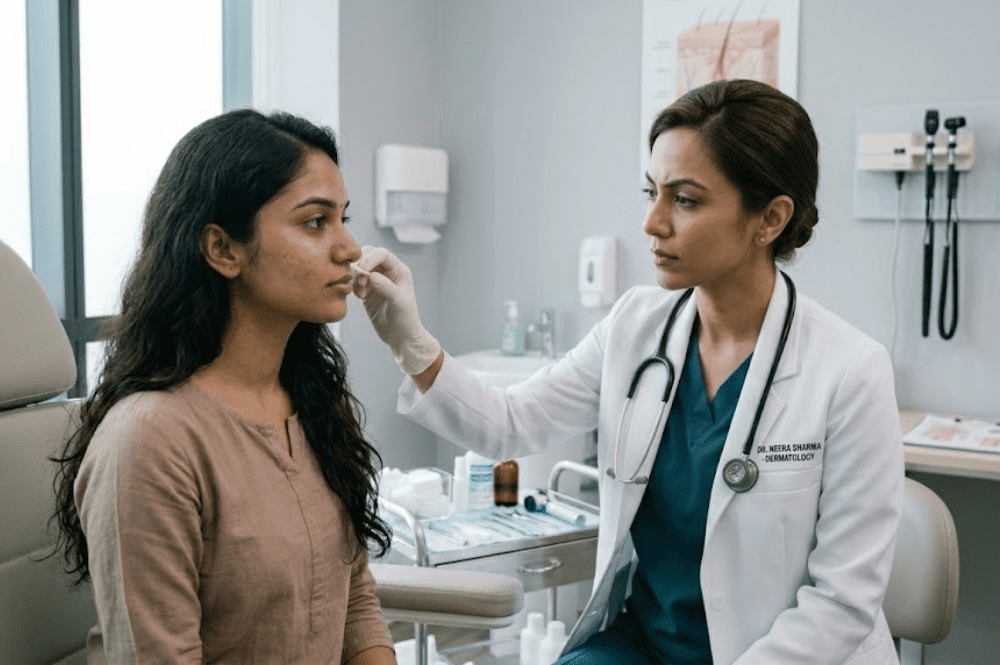
Your skin is more than just an outer covering. It protects your body from harmful bacteria, environmental pollutants, and physical damage while also reflecting your overall health. Although many skin problems seem minor at first, some conditions require immediate attention from a dermatologist. Ignoring early warning signs can lead to worsening symptoms, infections, permanent scarring, or even serious health complications.
A dermatologist is a medical expert trained to diagnose and treat conditions related to the skin, hair, and nails. Seeking professional help at the right time can protect both your health and confidence. Platforms like Instacare.pk make it easier for people to connect with experienced dermatologists and receive timely medical care.
Below are 10 important signs that indicate you should see a dermatologist immediately.
1. Persistent Acne That Does Not Improve
Acne is one of the most common skin concerns, but persistent or severe breakouts should never be ignored. If over-the-counter products fail to improve your acne after several weeks, it may be time to consult a dermatologist.
Severe acne can lead to painful cysts, inflammation, and permanent scarring. A dermatologist can identify the root cause of your acne and create a customized treatment plan using prescription medications, topical creams, or advanced therapies. Early treatment helps prevent long-term skin damage and improves overall skin appearance.
2. Sudden Changes in Moles or Skin Growths
Changes in moles or unusual skin growths can sometimes be a warning sign of skin cancer. You should seek immediate medical attention if a mole becomes asymmetrical, changes color, grows rapidly, bleeds, or develops irregular borders.
Dermatologists use specialized techniques to examine suspicious moles and determine whether further testing is required. Early detection of skin cancer greatly increases the chances of successful treatment. Paying attention to changes in your skin can potentially save your life.
3. Severe Skin Rashes or Allergic Reactions
Skin rashes may occur for many reasons, including allergies, infections, autoimmune conditions, or medication reactions. While some rashes disappear on their own, others require urgent medical care.
If a rash spreads quickly, becomes painful, causes swelling, or is accompanied by fever or difficulty breathing, you should visit a dermatologist immediately. Professional diagnosis ensures that the underlying cause is treated correctly and prevents complications from worsening.
4. Excessive Hair Loss
Losing some hair daily is normal, but excessive or sudden hair loss may indicate an underlying medical condition. Stress, hormonal imbalances, nutritional deficiencies, scalp infections, and autoimmune diseases can all contribute to hair thinning or bald patches.
A dermatologist can evaluate your scalp health, perform necessary tests, and recommend treatments that help slow hair loss and encourage regrowth. Addressing the issue early increases the chances of restoring healthy hair.
5. Persistent Itching or Skin Irritation
Occasional itching is common, but ongoing irritation should not be ignored. Chronic itching may result from eczema, fungal infections, allergic reactions, psoriasis, or internal health problems.
Constant scratching can damage the skin barrier, increase infection risk, and worsen inflammation. A dermatologist can diagnose the cause and provide treatments that relieve discomfort while improving skin health.
6. Painful or Recurring Skin Infections
Skin infections caused by bacteria, fungi, or viruses can become serious if left untreated. Symptoms may include redness, swelling, warmth, pus-filled bumps, or painful sores.
Recurring infections may indicate weakened immunity or an untreated skin condition. Dermatologists prescribe medications and recommend preventive strategies to stop infections from spreading and recurring. Prompt treatment helps protect surrounding skin and prevents complications.
7. Dry, Cracked, or Bleeding Skin
Dry skin is common during weather changes, but severely cracked or bleeding skin may signal eczema, psoriasis, or chronic dermatitis. When the skin barrier becomes damaged, bacteria can enter more easily, increasing the risk of infection.
A dermatologist can determine the exact cause of the dryness and recommend medicated creams, moisturizers, and skincare routines that restore hydration and repair the skin barrier effectively.
8. Unexplained Skin Discoloration
Changes in skin color such as dark patches, redness, yellowing, or white spots can sometimes indicate underlying medical conditions. Hyperpigmentation, vitiligo, rosacea, or even liver-related issues may affect skin tone.
A dermatologist evaluates these changes carefully to identify the cause and suggest suitable treatments. Early diagnosis helps manage symptoms before they become more difficult to treat.
9. Wounds or Sores That Do Not Heal
Healthy skin typically heals within a few weeks after injury. If a sore, cut, or wound does not heal properly, it may indicate infection, diabetes, poor circulation, or skin cancer.
Non-healing wounds should always be examined by a dermatologist. Delaying treatment can lead to complications and increase the severity of the condition. Proper medical care promotes faster healing and reduces the risk of permanent damage.
10. Sudden Skin Sensitivity or Burning Sensations
If your skin suddenly becomes extremely sensitive, painful, or develops a burning sensation, it may be reacting to allergies, infections, harsh skincare products, or nerve-related conditions.
Some people continue using irritating products, which worsens inflammation and damages the skin barrier further. Dermatologists can identify triggers and recommend safe skincare solutions that calm and protect the skin.
Why Early Dermatological Care Matters
Many people ignore skin problems until they become severe. Unfortunately, delayed treatment often leads to more complicated conditions that require longer recovery periods. Visiting a dermatologist early provides several important benefits:
- Faster diagnosis of underlying conditions
- Prevention of permanent scarring or skin damage
- More effective treatment outcomes
- Reduced discomfort and complications
- Better long-term skin health
Professional dermatological care not only improves appearance but also supports overall well-being.
How Dermatologists Help Improve Skin Health
Dermatologists use medical expertise and advanced technology to diagnose and treat a wide variety of skin conditions. Treatments may include:
- Prescription medications
- Medical skincare products
- Laser treatments
- Chemical peels
- Allergy testing
- Minor surgical procedures
These specialized treatments are often far more effective than self-medication or unverified home remedies.
Choosing the Right Dermatologist
Finding a qualified dermatologist is essential for receiving accurate diagnosis and proper treatment. Patients should choose professionals with experience, strong patient reviews, and reliable medical credentials.
Instacare.pk helps individuals connect with experienced dermatologists across Pakistan. The platform allows users to conveniently search for doctors, compare profiles, and book appointments online for timely skincare consultations.
Conclusion
Your skin often provides important clues about your overall health. Ignoring warning signs such as persistent acne, unusual moles, severe itching, recurring infections, or unexplained discoloration can lead to serious complications over time. Seeking help from a dermatologist at the right moment can prevent long-term damage and improve both physical and emotional well-being.
Understanding these 10 warning signs can help you take proactive steps toward healthier skin. If you notice any unusual or persistent skin concerns, consulting a qualified dermatologist in karachi through Instacare.pk can help you receive professional guidance, effective treatment, and peace of mind.