
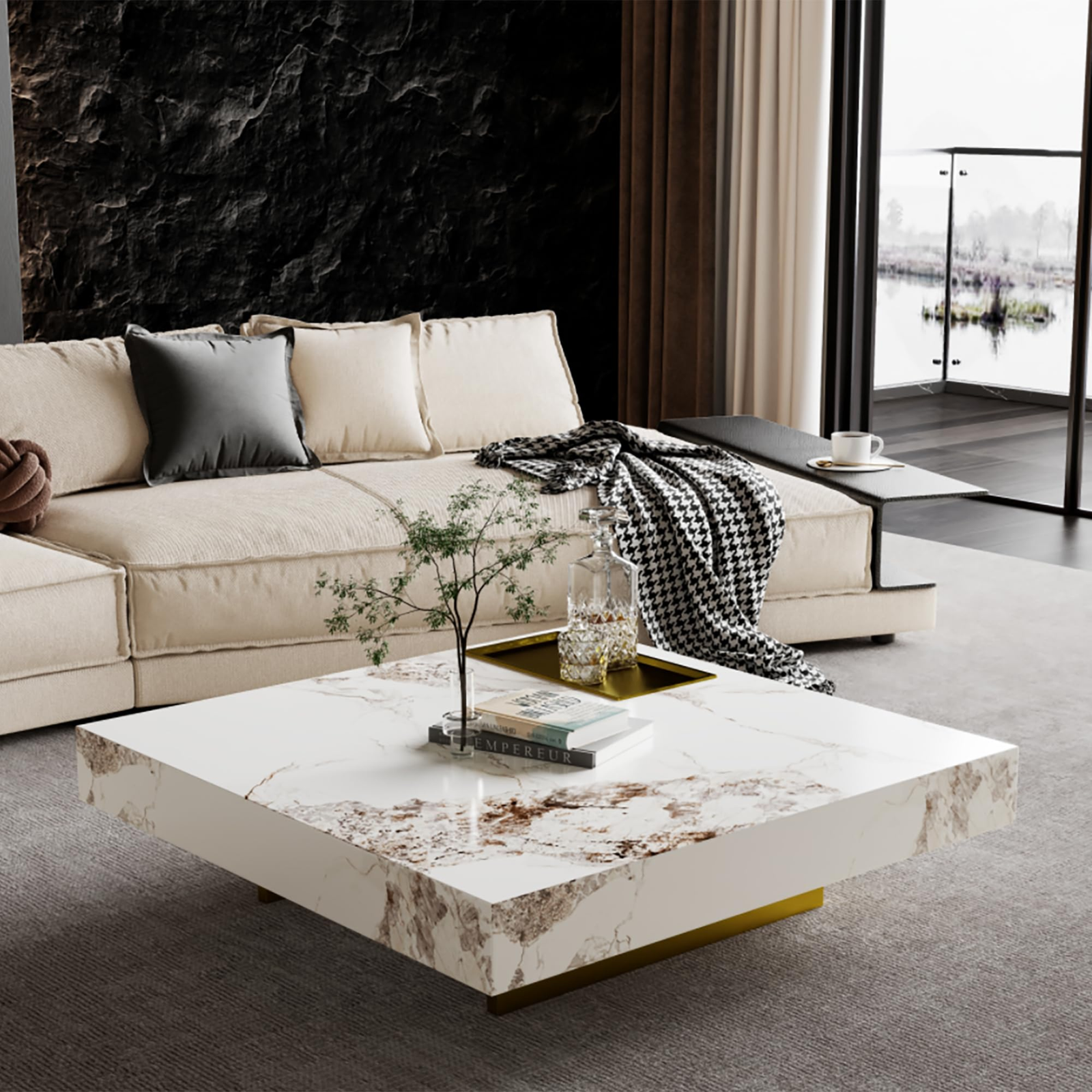
Creating a comfortable and visually appealing home begins with selecting pieces that fit perfectly within your available area. Many people make the mistake of purchasing items based solely on appearance, only to discover later that they do not align with the dimensions of their rooms. Measuring accurately before making any purchase prevents inconvenience, saves money, and ensures a harmonious layout. This guide explains how to assess your interior properly so every addition enhances both functionality and aesthetics.
Understanding the Importance of Accurate Measurements
Before bringing any new item into your home, understanding spatial limitations is essential. Incorrect sizing can lead to overcrowding, restricted movement, and imbalance in design. A well-measured environment allows for smoother traffic flow and ensures that each element serves its intended purpose.
Accurate dimensions also help in visualizing how different pieces will interact with existing décor. Whether furnishing a living area, bedroom, or workspace, proper planning avoids costly returns and unnecessary stress. Visiting a Mattress Shop Dubai before finalizing bedroom arrangements can also assist in selecting bedding that complements the available space and overall interior style.
Tools You Need for Measuring
To achieve precise results, having the right tools is crucial. Basic measuring instruments are affordable and easy to use, yet they make a significant difference in accuracy.
A measuring tape is the most essential item. Choose one that is long enough to cover larger distances. A notebook or digital device helps record numbers systematically. A pencil or chalk can be used to mark temporary points on the floor or wall. Additionally, a laser measuring device can provide quick and highly accurate readings, especially for larger rooms.
Using these tools correctly ensures consistency and eliminates guesswork.
Measuring the Room Dimensions
Start by determining the overall size of the room. Measure the length and width from wall to wall. For irregularly shaped areas, divide the space into smaller sections and measure each one individually.
Do not forget to check the height as well. Ceiling clearance is particularly important when considering tall storage units or decorative installations. Record every measurement carefully and double-check to avoid mistakes.
Having a complete understanding of the room’s dimensions creates a solid foundation for all further planning.
Accounting for Architectural Features
Rooms are rarely empty boxes. Doors, windows, columns, and built-in structures affect how furniture can be placed. Ignoring these elements can lead to poor arrangement decisions.
Measure the width and height of windows and note their position on the wall. This helps in choosing items that do not block natural light. Doors should be measured along with their swing direction to ensure they open freely without obstruction.
Architectural details like beams or alcoves should also be included in your notes. These features can either limit placement or offer creative opportunities for design.
Planning for Movement and Accessibility
A functional interior allows easy movement without obstacles. While measuring, consider how people will navigate through the space.
Leave enough clearance between pieces for comfortable walking paths. For example, seating areas should have sufficient room for individuals to move around without difficulty. Dining zones require space for chairs to be pulled out easily.
Proper spacing improves usability and prevents a cramped feeling. Always think beyond fitting items into a room—focus on how the environment will be used daily.
Measuring Furniture Placement Areas
Once you know the room dimensions, identify where each piece will go. Measure the exact area designated for specific items.
For example, if planning to place a sofa against a wall, measure that wall’s length. If adding a table in the center, determine how much space remains after accounting for surrounding elements.
Using masking tape or newspaper on the floor to outline dimensions can help visualize how items will fit. This simple technique provides a clearer picture of the final arrangement before making any purchase.
Considering Scale and Proportion
Even if a piece technically fits within a room, it may still look out of place if the proportions are not balanced. Scale plays a crucial role in interior design.
Large furniture in a small room can overwhelm the space, while tiny pieces in a large area may appear insignificant. Aim for a balanced combination that complements the room’s size.
When measuring, think about how each item relates to others. Maintain visual harmony by choosing pieces that align with the overall scale of the environment.
Measuring Entryways and Pathways
One commonly overlooked step is checking whether furniture can actually enter the home. Even perfectly sized items can become problematic if they do not pass through doors, hallways, or staircases.
Measure the width and height of entry points, including door frames and corridors. Consider tight corners and turns that may affect movement during delivery.
Taking these measurements ensures that the item can be transported smoothly into the intended location without damage or difficulty.
Factoring in Existing Furniture
If you already have items in the room, include them in your measurements. Understanding how new additions will coexist with current pieces is essential.
Measure existing furniture and note their positions. This helps determine how much space remains and whether rearrangement is necessary.
Combining new and old elements thoughtfully maintains cohesion and prevents overcrowding.
Creating a Floor Plan
A floor plan provides a visual representation of your space and helps organize measurements effectively. It can be drawn on paper or created using digital tools.
Start by sketching the room layout to scale. Mark walls, doors, windows, and fixed features. Then, add the dimensions you recorded earlier.
Once the plan is complete, experiment with different furniture arrangements. This allows you to test ideas without physically moving heavy items, saving time and effort.
Using Technology for Better Accuracy
Modern tools can simplify the measuring process and improve precision. Mobile applications and software programs allow users to create detailed layouts with ease. Selecting the right furnishings, including a comfortable Cooltech Mattress, further enhances the functionality and comfort of the overall space.
These tools often include features like virtual placement, enabling you to see how furniture will look within your space. Some even offer augmented reality, providing a realistic preview.
While traditional methods are effective, technology can enhance accuracy and provide additional confidence in decision-making.
Avoiding Common Measuring Mistakes
Many people make simple errors that lead to poor outcomes. Being aware of these pitfalls helps prevent issues.
One common mistake is measuring only once. Always verify dimensions to ensure accuracy. Another error is ignoring clearance space, which can make a room feel cramped.
Failing to consider door swings, window placement, or movement paths can also cause problems. Paying attention to details ensures a smoother experience.
Measuring for Different Types of Rooms
Each room has unique requirements that influence how measurements should be taken.
In living areas, focus on seating arrangements and entertainment units. Ensure there is enough space for comfort and interaction. Bedrooms require careful planning for beds, wardrobes, and side tables, with emphasis on accessibility.
Dining areas need adequate room for tables and chairs, while maintaining space for movement. Workspaces should prioritize functionality, ensuring desks and storage units fit comfortably without restricting productivity.
Adapting your measuring approach based on the room type leads to better results.
Allowing for Future Changes
When planning your space, think about future needs as well. Lifestyle changes, additional items, or rearrangements may occur over time.
Leave some flexibility in your layout to accommodate these possibilities. Avoid filling every inch of the room, as this limits adaptability.
Planning ahead ensures that your space remains functional and versatile in the long term.
Final Checks Before Purchase
Before making a final decision, review all measurements carefully. Compare them with the dimensions of the furniture you intend to buy.
Ensure there is enough clearance for movement, entry, and placement. Double-check that the item aligns with the scale and proportion of the room.
Taking a few extra minutes for verification can prevent costly mistakes and ensure satisfaction with your purchase.
Conclusion
Measuring your space before buying furniture is a crucial step in creating a well-organized and visually pleasing home. Accurate dimensions help you make informed decisions, avoid unnecessary expenses, and achieve a balanced layout.
By using the right tools, considering architectural features, planning for movement, and visualizing arrangements, you can transform your interior into a functional and stylish environment. Careful preparation ensures that every piece fits perfectly, enhancing both comfort and design.
A thoughtful approach to measuring not only simplifies the buying process but also contributes to a more enjoyable living experience.
