
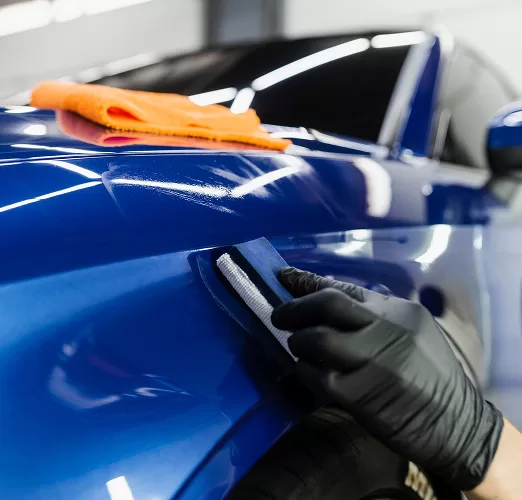
When car owners invest in vehicle protection solutions, questions around maintenance naturally follow. One of the most common concerns is whether nano ceramic coating requires any special attention after application and how it interacts with other protection methods like ppf car protection. Both technologies are designed to enhance durability, improve shine, and protect paintwork, but they behave differently over time and under real-world conditions. Understanding how to care for your car after these applications can significantly extend their lifespan and preserve the finish of your vehicle.
This guide explains everything in detail—from daily maintenance to long-term care—so you know exactly what to expect and how to keep your car looking its best without unnecessary effort or confusion.
Understanding Nano Ceramic Coating and Its Purpose
What is Nano Ceramic Coating?
nano ceramic coating is a liquid polymer applied to a vehicle’s exterior surface that chemically bonds with the paint. Once cured, it forms a semi-permanent protective layer that enhances gloss and creates a hydrophobic effect, meaning water and dirt slide off more easily.
Unlike traditional waxes or sealants, ceramic coatings do not simply sit on the surface. They integrate with the paint layer, making them more durable and longer-lasting. This is why they are widely used for maintaining a glossy, showroom-like finish with reduced maintenance effort.
Key Benefits of Ceramic Coating
The popularity of ceramic coatings comes from their practical advantages:
- Strong resistance against UV rays and oxidation
- Easier cleaning due to hydrophobic properties
- Enhanced gloss and depth in paint finish
- Protection from light chemical stains and contaminants
- Reduced frequency of washing and polishing
While it offers impressive protection, it is important to understand that ceramic coating is not completely maintenance-free. Proper aftercare ensures that its properties remain effective over time.
Why Aftercare Matters
Even though nano ceramic coating is designed to be low maintenance, aftercare is still essential for maximizing its performance. The coating can only perform at its best when the surface is kept clean and free from contaminants.
Initial Curing Period
After application, the coating goes through a curing stage. During this period, the surface should not be exposed to water, dust, or harsh environmental conditions. The curing phase is critical because it allows the coating to fully bond with the paint.
Failing to respect this stage may reduce the coating’s effectiveness and longevity. Simple precautions like avoiding washing or exposing the vehicle to heavy rain can make a significant difference.
Long-Term Performance Dependence
Over time, environmental exposure such as dust, bird droppings, and road grime can affect even coated surfaces. While ceramic coating resists these elements better than untreated paint, periodic maintenance is still required to preserve its protective properties.
Daily Maintenance Guidelines
Maintaining a ceramic-coated car is easier compared to untreated paint, but it still requires consistency.
Regular Washing Routine
Wash your car every 1–2 weeks depending on usage and environment. Use a pH-neutral shampoo to avoid damaging the coating layer. Always rinse thoroughly before washing to remove loose dirt particles that could scratch the surface.
Proper Washing Technique
- Use the two-bucket method (one for clean water, one for rinse water)
- Always use microfiber wash mitts
- Avoid circular scrubbing motions to reduce swirl marks
- Dry the surface using a clean microfiber towel or air blower
Water Behavior Check
A good indicator of coating health is water beading. If water starts spreading instead of forming beads, it may indicate that the coating needs maintenance or reactivation.
What to Avoid After Application
Proper aftercare is not only about what you should do but also what you should avoid.
Harsh Chemicals and Abrasives
Avoid using strong detergents, acidic cleaners, or abrasive sponges. These can weaken the coating layer and reduce its protective abilities.
Automatic Car Washes
Many automatic car washes use stiff brushes and harsh chemicals that can damage the coating surface. Hand washing is always the safer option.
Ignoring Contaminants
Bird droppings, tree sap, and insect residue should be removed quickly. Although ceramic coating provides resistance, prolonged exposure can still cause staining.
Comparing Protection Options
While ceramic coating is highly effective, it is often compared with other protective solutions such as paint protection films.
Ceramic Coating vs Paint Protection Film
Both nano ceramic coating and ppf car protection serve different purposes. Ceramic coating enhances gloss and provides chemical resistance, while paint protection film offers physical protection against scratches, stone chips, and road debris.
When Ceramic Coating is Enough
Ceramic coating is ideal for car owners who want:
- Gloss enhancement
- Easy cleaning
- Protection from UV and chemical damage
When PPF is Better
Paint protection film is more suitable for:
- High-impact areas like bumpers and bonnets
- Highway-driven vehicles
- Protection against physical damage
In many cases, car owners choose a combination of both for maximum protection—PPF for impact zones and ceramic coating for overall finish enhancement.
Long-Term Care Tips
Proper long-term maintenance ensures that your coating continues performing effectively for years.
Seasonal Maintenance
Different weather conditions require different care approaches:
- In summer: Wash more frequently to remove dust buildup
- In winter: Remove road salt and grime regularly
- In humid climates: Watch for water spotting and clean promptly
Periodic Inspection
Check your car’s surface every few months for signs of reduced hydrophobic behavior or dullness. If noticed early, maintenance sprays or professional rejuvenation can restore performance.
Use of Maintenance Sprays
Ceramic maintenance sprays can help refresh the hydrophobic layer and enhance gloss. These products are designed specifically to support coated surfaces without damaging them.
Common Mistakes Car Owners Make
Even with the best protection, improper habits can reduce effectiveness.
Skipping Regular Cleaning
One of the biggest mistakes is assuming the coating eliminates the need for washing. While it reduces dirt adhesion, it does not prevent buildup completely.
Using Incorrect Cleaning Tools
Sponges with rough surfaces or dirty cloths can introduce swirl marks and scratches over time.
Ignoring Early Signs of Wear
Loss of water beading or reduced gloss should not be ignored. Early maintenance can prevent long-term degradation.
Overestimating Protection
Some car owners believe coatings make the vehicle completely damage-proof. While they provide strong resistance, they are not invincible against physical impact or neglect.
Advanced Care Techniques for Enthusiasts
For those who want to go beyond basic maintenance, advanced care can further enhance results.
Decontamination Wash
Every few months, a decontamination wash can remove embedded particles that regular washing cannot eliminate. This helps restore smoothness and shine.
Clay Bar Treatment
A clay bar can be used carefully to remove bonded contaminants. However, it should be done cautiously to avoid unnecessary abrasion.
Professional Inspection
Occasional professional detailing checks can ensure the coating is performing optimally and help identify any areas that need attention.
Impact of Driving Conditions on Coating Life
Driving environment plays a major role in how long the coating lasts.
- Urban driving exposes the car to pollution and dust
- Highway driving increases exposure to stone chips and debris
- Coastal areas may introduce salt-related corrosion risks
Understanding your driving conditions helps in adjusting your maintenance routine accordingly.
Why Consistency is More Important Than Effort
Maintaining a ceramic-coated vehicle is not about doing intensive work—it’s about being consistent. Light but regular maintenance is far more effective than occasional deep cleaning sessions.
Even simple habits like rinsing your car after a dusty drive or wiping off contaminants immediately can significantly extend coating life and performance.
Wrapping Up
Proper care plays a crucial role in maintaining the benefits of nano ceramic coating and ensuring long-term durability. While it is designed to reduce maintenance efforts, it still requires basic cleaning routines, mindful usage, and occasional upkeep to perform at its best. When paired thoughtfully with solutions like ppf car protection, it offers a strong and well-rounded defense system for vehicle paintwork.
By following the right aftercare practices, avoiding harmful cleaning methods, and staying consistent with maintenance, car owners can enjoy a glossy, protected, and visually appealing finish for years without unnecessary complications.
