
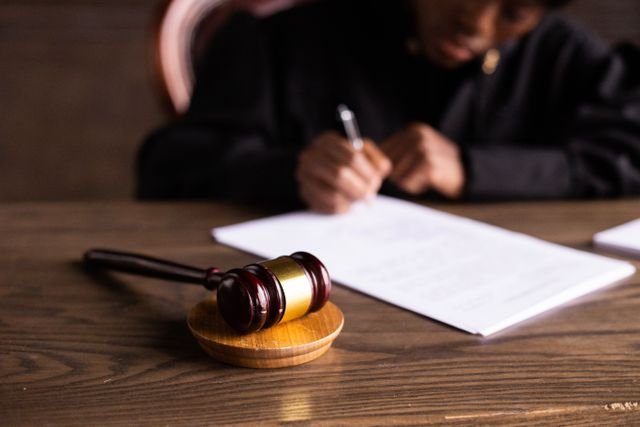
Being accused of a criminal offense can be overwhelming and stressful. Whether the allegations involve theft, fraud, assault, cybercrime, or any other criminal matter, understanding your legal rights is essential. During such situations, having experienced legal guidance can make a significant difference. A criminal defense advocate is responsible for protecting the rights of individuals facing criminal charges and ensuring they receive a fair legal process.
Many people believe that defense lawyers only appear in court to argue cases. In reality, their responsibilities extend far beyond courtroom representation. They provide legal advice, investigate facts, prepare legal strategies, negotiate when appropriate, and work to achieve the best possible outcome for their clients.
Understanding the Role of a Criminal Defense Advocate
A criminal defense advocate represents individuals who have been accused of committing criminal offenses. Their primary responsibility is to defend the client’s legal rights throughout every stage of the criminal justice process. From the initial police investigation to court hearings and appeals, they offer professional legal assistance and strategic guidance.
The legal system involves numerous procedures, strict deadlines, and complex laws. An experienced advocate helps clients understand these processes while ensuring that every legal step is properly followed.
Providing Legal Advice
One of the first responsibilities of a criminal defense advocate is to explain the legal situation to the client. Many individuals are unfamiliar with criminal laws and may not know what to expect after being questioned by the police or receiving legal notices.
The advocate explains the charges, possible legal consequences, available defenses, and the client’s legal rights. This early guidance helps clients avoid mistakes that could negatively affect their case.
Protecting the Rights of the Accused
Every person accused of a crime has legal rights, regardless of the allegations against them. A criminal defense advocate ensures that these rights are respected throughout the legal process.
This includes protecting clients against unlawful arrests, improper investigations, illegal searches, or violations of constitutional and legal protections. If authorities fail to follow proper procedures, the advocate may raise these issues before the court.
Investigating the Case
Successful legal representation depends on careful investigation. Rather than relying solely on police reports, a defense advocate independently reviews the available evidence.
This process may involve examining documents, interviewing witnesses, reviewing CCTV footage, analyzing digital evidence, and identifying inconsistencies in the prosecution’s case. A thorough investigation often reveals facts that can strengthen the defense strategy.
Building a Strong Defense Strategy
Every criminal case is unique, requiring a customized legal approach. After reviewing all available evidence, the advocate develops a defense strategy based on the specific circumstances.
The strategy may involve challenging the evidence presented by the prosecution, questioning witness credibility, demonstrating lack of intent, establishing mistaken identity, or presenting evidence supporting the client’s innocence. The chosen approach depends entirely on the facts and applicable law.
Representing Clients in Court
Courtroom representation is one of the most visible aspects of a criminal defense advocate’s work. They prepare legal documents, present arguments before the judge, question witnesses, cross-examine prosecution witnesses, and respond to legal issues during hearings.
Effective courtroom advocacy requires detailed preparation, knowledge of legal procedures, and the ability to present facts clearly and persuasively. Throughout the trial, the advocate works to ensure that the client’s interests remain fully protected.
Assisting with Bail Applications
In many criminal matters, obtaining bail is an important priority. A criminal defense advocate prepares and submits bail applications while presenting arguments supporting the client’s release.
They explain the legal grounds for bail, gather supporting documents, and represent the client during bail hearings. If bail conditions are imposed, the advocate also helps the client understand and comply with those requirements.
Negotiating When Appropriate
Not every criminal matter proceeds through a lengthy trial. In some situations, discussions with prosecutors or other legal authorities may help resolve certain legal issues more efficiently.
A defense advocate evaluates whether negotiation is appropriate based on the facts of the case, applicable laws, and the client’s best interests. Any recommendations are made only after carefully considering the available legal options.
Preparing Legal Documents
Criminal proceedings involve substantial paperwork. A defense advocate prepares petitions, bail applications, replies, written submissions, appeals, and other legal documents required by the court.
Accurate documentation is essential because errors or missed deadlines can affect the progress of a case. Proper legal drafting ensures compliance with procedural requirements while presenting the client’s position effectively.
Supporting Clients Throughout the Process
Facing criminal charges often creates emotional stress and uncertainty. A defense advocate not only provides legal representation but also offers reassurance by explaining each stage of the proceedings.
Clients are informed about upcoming hearings, required documentation, possible legal developments, and expected timelines. Clear communication allows individuals to make informed decisions while reducing unnecessary anxiety.
Handling Appeals
If a court delivers an unfavorable judgment, legal remedies may still be available. A criminal defense advocate reviews the decision to determine whether an appeal should be filed.
The appeal process involves identifying legal errors, preparing detailed legal arguments, and presenting the case before a higher court. Proper appellate representation can provide another opportunity to challenge an earlier decision.
Why Choosing the Right Advocate Matters
Legal representation can significantly influence how a criminal matter is handled. An experienced lawyer understands courtroom procedures, criminal laws, evidence rules, and effective defense strategies. Careful preparation, strong legal knowledge, and clear communication all contribute to better representation.
If you are searching for a trusted Criminal Defense Lawyer in Ahmedabad, it is important to choose someone with proven experience, a professional reputation, and a commitment to protecting your legal rights throughout every stage of the case.
Conclusion
A criminal defense advocate performs far more than courtroom appearances. Their responsibilities include advising clients, protecting legal rights, investigating evidence, preparing defense strategies, filing legal documents, securing bail, negotiating when appropriate, and representing clients during trials and appeals. Their objective is to ensure that every individual receives fair treatment under the law and the strongest possible legal representation. Understanding these responsibilities can help individuals make informed decisions when seeking legal assistance during challenging circumstances.
