
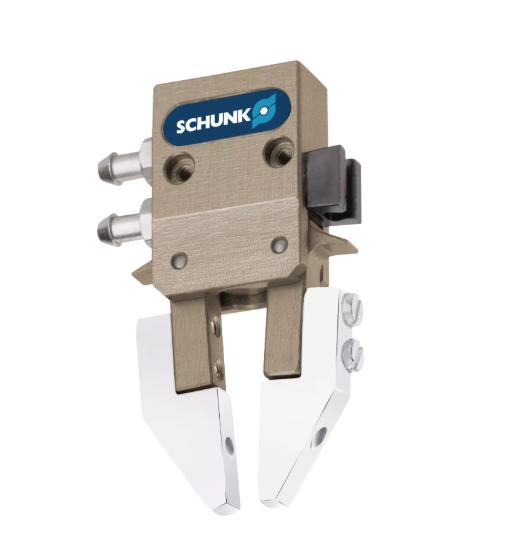
Modern manufacturing and automation environments demand greater precision, flexibility, and efficiency than ever before. As industries strive to optimize productivity while maintaining product quality, robotic systems have become essential components of production lines. At the heart of these systems are end-of-arm tools, which enable robots to interact effectively with various objects and materials. From delicate electronic components to heavy industrial parts, advanced gripping technologies ensure reliable handling across applications. Solutions such as the universal robot gripper and vacuum gripping system have transformed robotic operations by providing adaptable, accurate, and efficient handling capabilities for diverse industrial requirements.
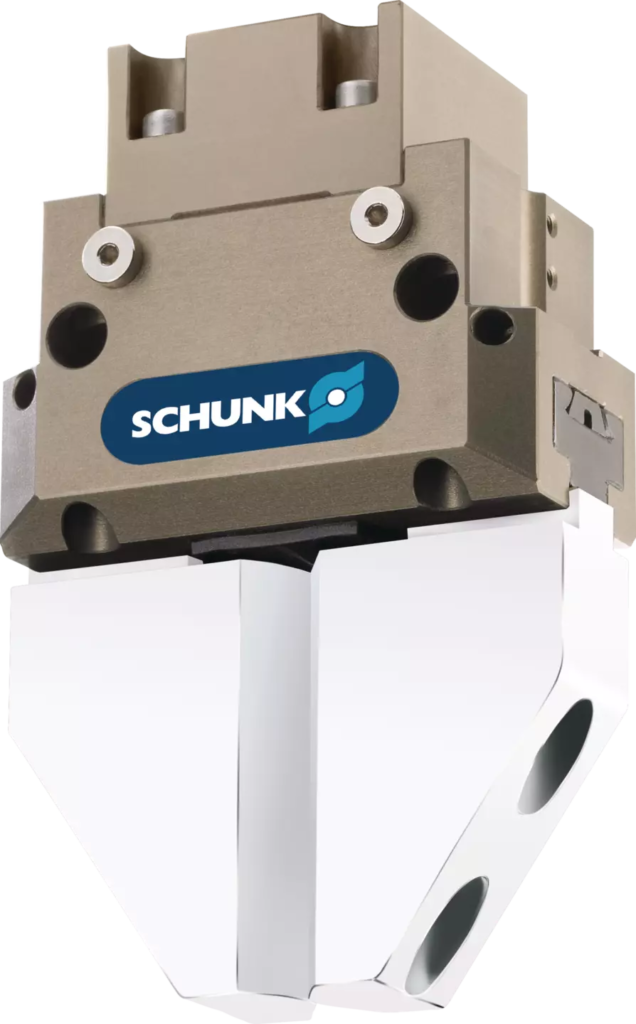
Understanding End-of-Arm Tooling in Robotics
End-of-arm tooling (EOAT) refers to the devices attached to the end of a robotic arm that allow it to perform specific tasks. These tools function as the robot’s “hands,” enabling activities such as gripping, lifting, positioning, assembling, packaging, and transferring materials.
The effectiveness of a robotic system largely depends on selecting the appropriate EOAT. Different applications require different handling solutions, making versatility a crucial factor in modern manufacturing. As production environments become increasingly dynamic, companies seek tools that can adapt to changing products, workflows, and operational demands.
The Growing Need for Flexible Robotic Handling
Manufacturers today often deal with a wide range of product sizes, shapes, weights, and materials. Traditional handling methods may require frequent tool changes, leading to downtime and increased operational costs.
Flexible robotic handling solutions address these challenges by offering:
- Improved adaptability across multiple applications
- Reduced setup and changeover times
- Increased production efficiency
- Enhanced product protection
- Greater operational reliability
The ability to handle varying products with minimal adjustments has become a key competitive advantage in automated manufacturing environments.
Advantages of a Universal Robot Gripper
One of the most significant innovations in robotic handling technology is the universal robot gripper. Designed to accommodate a broad range of objects, this type of gripper offers exceptional flexibility compared to application-specific gripping devices.
Adaptability Across Product Variations
Manufacturing facilities often process products with different dimensions and geometries. A universal robot gripper can effectively manage these variations without requiring extensive reconfiguration. This adaptability helps organizations streamline production and reduce equipment complexity.
Reduced Downtime
Frequent tool changes can significantly impact productivity. By using a versatile gripping solution, operators can minimize interruptions and maintain consistent production flow. This reduction in downtime contributes directly to improved operational efficiency and profitability.
Enhanced Precision and Reliability
Modern gripping systems incorporate advanced engineering principles that enable secure and accurate object handling. Whether manipulating fragile components or heavier workpieces, a universal robot gripper provides reliable performance while reducing the risk of product damage.
Exploring the Benefits of Vacuum-Based Handling
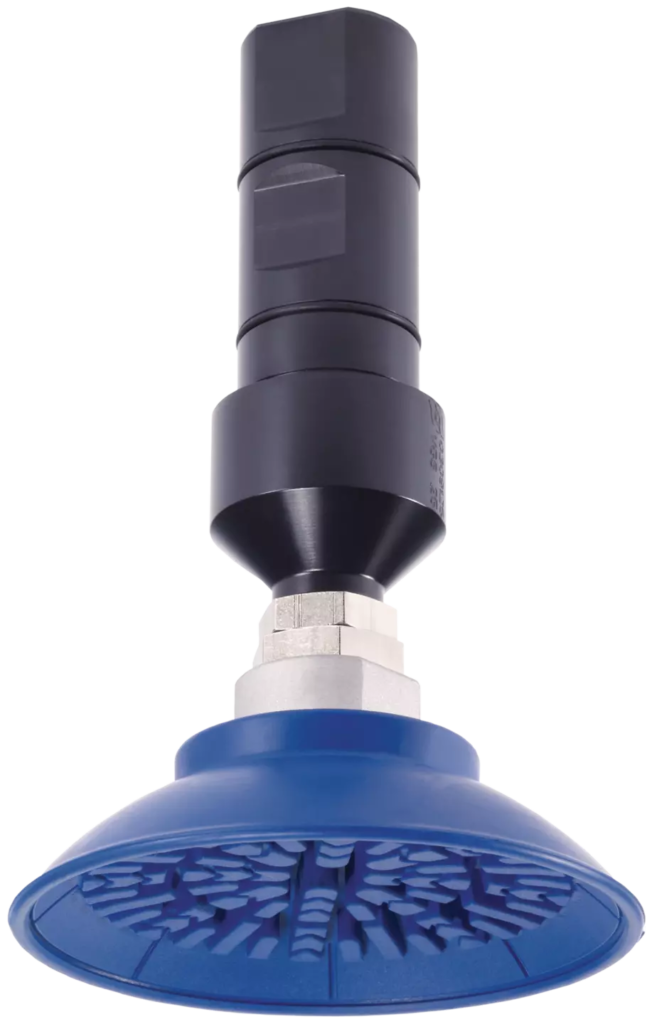
Vacuum technology has become a preferred solution for many robotic handling applications due to its efficiency and gentle gripping capabilities. A vacuum gripping system uses suction to securely hold and transport objects without applying excessive mechanical force.
Ideal for Delicate Products
Many industries handle fragile materials that require careful movement. Glass panels, electronic components, packaging materials, and lightweight products can benefit from the controlled handling provided by a vacuum gripping system.
Increased Handling Speed
Vacuum-based solutions often enable rapid pick-and-place operations. Fast engagement and release cycles allow robotic systems to achieve higher throughput while maintaining precision and consistency.
Clean and Efficient Operation
Because vacuum technology relies on suction rather than mechanical clamping, it can reduce wear on products and minimize contamination risks. This makes it particularly valuable in industries with strict quality requirements.
Key Applications of Advanced Gripping Technologies
Modern gripping technologies support a wide variety of industrial sectors. Their versatility allows manufacturers to automate tasks that were once difficult or impractical for robotic systems.
Automotive Manufacturing
Automotive production involves handling components of varying sizes and weights. Advanced grippers assist with assembly, material transfer, inspection, and packaging processes while maintaining precision and repeatability.
Electronics Production
The electronics industry requires careful handling of small and delicate parts. Precision gripping technologies enable safe movement of components without causing damage or compromising quality standards.
Food and Packaging Operations
Food processing and packaging facilities rely on gentle handling methods to preserve product integrity. Solutions such as a vacuum gripping system can transport lightweight or fragile items efficiently while supporting high-speed production requirements.
Medical and Pharmaceutical Manufacturing
Medical devices and pharmaceutical products often require contamination-free handling. Advanced gripping solutions help maintain cleanliness while ensuring accurate positioning and transfer throughout manufacturing processes.
Read also: Precision Tool Holding Solutions for Modern Manufacturing
Factors to Consider When Selecting End-of-Arm Tools
Choosing the right end-of-arm tool is critical for maximizing robotic performance. Several factors should be evaluated during the selection process.
Product Characteristics
The size, shape, weight, and surface properties of the workpiece directly influence gripping requirements. Understanding these characteristics helps determine the most appropriate handling solution.
Production Environment
Environmental conditions such as temperature, humidity, dust, and cleanliness requirements can affect tool performance. Selecting equipment designed for the specific operating environment enhances reliability and longevity.
Speed and Accuracy Requirements
Different applications have varying productivity goals. High-speed operations may prioritize rapid engagement and release, while precision assembly tasks may emphasize positioning accuracy.
Future Scalability
As production demands evolve, businesses benefit from solutions that can adapt to new products and workflows. A flexible system supports long-term automation strategies while minimizing future investments.
Combining Versatility and Efficiency
Modern automation increasingly relies on integrated solutions that balance adaptability with performance. In many facilities, combining mechanical gripping and vacuum technologies creates highly flexible handling systems capable of addressing diverse production needs.
For example, a universal robot gripper may be used for handling irregularly shaped components, while a vacuum gripping system manages flat or delicate products within the same production environment. This combination allows manufacturers to optimize operations while maintaining the flexibility needed for evolving market demands.
Furthermore, advancements in sensor technology, intelligent controls, and automation software continue to enhance the capabilities of robotic handling systems. These innovations enable robots to detect, adapt, and respond to varying conditions with greater accuracy and efficiency.
Conclusion
The continued evolution of robotic automation is driving demand for versatile and reliable end-of-arm tools. Solutions such as the universal robot gripper and vacuum gripping system help manufacturers improve flexibility, productivity, and product quality across diverse applications. By selecting the right handling technology, businesses can reduce downtime, enhance operational efficiency, and prepare for future production challenges. Companies seeking advanced expertise in gripping technology, automation solutions, toolholding, and workholding can benefit from the extensive knowledge and innovative capabilities offered by SCHUNK, supporting smarter and more efficient manufacturing processes worldwide.