
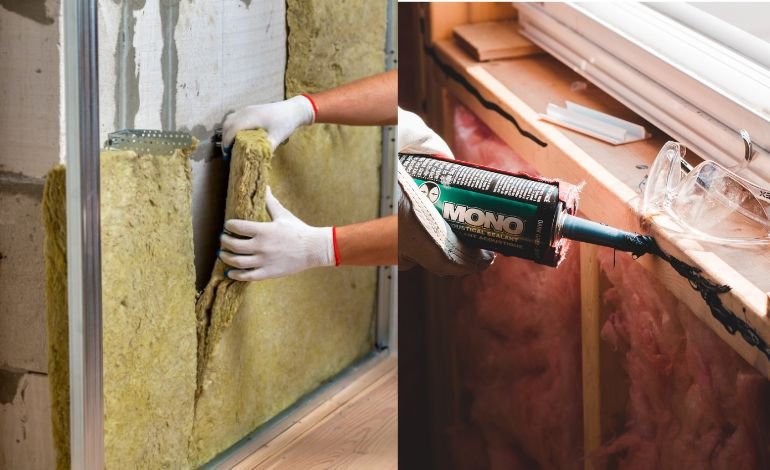
In order to keep a home comfortable, insulation is crucial. It promotes a more comfortable living environment all year round, lowers energy loss, and helps control indoor temperatures. Homeowners frequently notice changes in indoor conditions, energy consumption, and comfort when insulation starts to deteriorate or was built incorrectly in the first place.
Early detection of the warning indicators can assist avoid increased energy expenses and needless stress on heating and cooling systems.
If you notice any of the following issues, it may be time to consider professional home insulation services Victoria homeowners trust for insulation assessment and upgrades.
Uneven Temperatures Throughout the Home
One of the most common signs of poor insulation is inconsistent indoor temperatures.
You may notice:
- Some rooms feel warmer than others.
- Certain areas remain cold during winter.
- Upper floors become significantly hotter during summer.
- Temperature differences occur between rooms.
When insulation is performing properly, indoor temperatures remain more consistent throughout the property. Uneven temperatures often indicate missing insulation, gaps in coverage, or deteriorating materials.
Professional home insulation services Victoria residents use can help identify problem areas and recommend appropriate solutions.
Higher Energy Bills
Another sign of insulation problems could be a sharp rise in the expense of heating or cooling.
Your HVAC system has to work harder to maintain indoor temperatures when there is not enough insulation. Throughout the year, this increased effort frequently leads to greater utility expenditures.
Signs may include:
- Increased heating expenses during winter
- Higher cooling costs during summer
- Longer HVAC operating cycles
- Greater energy consumption compared to previous years
If energy costs continue to rise without a clear explanation, insulation should be evaluated as a potential cause.
Drafts Inside the Home
Drafts are often associated with windows and doors, but poor insulation can also contribute to noticeable airflow inside a house.
You may feel:
- Cold air near walls
- Drafts around ceilings
- Temperature fluctuations near exterior walls
- Air movement in certain rooms
These issues can reduce comfort and make living spaces feel less inviting.
Insulation gaps often allow outside air to influence indoor temperatures more than expected.
Cold Walls, Floors, and Ceilings
Well-insulated homes help maintain comfortable surface temperatures throughout interior spaces.
When insulation problems exist, homeowners may notice:
- Cold floors during winter
- Chilly exterior walls
- Cool spots on ceilings
- Areas that feel noticeably colder than surrounding surfaces
Touching a wall should not feel dramatically different from the room temperature around it. Cold surfaces may indicate insufficient insulation behind the drywall or within ceiling cavities.
Excessive HVAC Usage
Heating and cooling systems are designed to maintain comfortable indoor temperatures efficiently.
Poor insulation forces these systems to work harder and operate longer.
Common signs include:
- Furnace running continuously
- Air conditioner cycling frequently
- Difficulty maintaining thermostat settings
- Increased wear on HVAC equipment
When conditioned air escapes through poorly insulated areas, systems must compensate by working longer than necessary.
Ice Dams on the Roof
Issues with insulation can lead to the production of ice dams in colder climates.
When heat escapes through the attic and warms parts of the roof, ice dams form. Near the edge of the roof, snow melts and then refreezes, forming an accumulation of ice.
Potential consequences include:
- Water intrusion
- Roof damage
- Gutter damage
- Moisture problems inside the home
Proper attic insulation helps maintain more consistent roof temperatures and reduces the risk of ice dam formation.
Moisture and Condensation Issues
Insulation helps manage temperature differences that can contribute to condensation.
Poor insulation may allow moisture-related problems such as:
- Window condensation
- Damp walls
- Ceiling stains
- Mold growth
- Musty odors
Moisture can affect building materials and contribute to indoor air quality concerns if left unaddressed.
Professional insulation assessments can help identify areas where temperature differences are contributing to condensation problems.
Indoor Comfort Changes Throughout the Seasons
When outdoor temperatures vary, homes with insufficient insulation frequently noticeably perceive fluctuations in comfort.
Even with air conditioning, interior areas can get overly heated in the summer. Even with well-functioning heating systems, rooms may seem chilly in the winter.
Inadequate insulation in walls, attics, crawl spaces, or ceilings is frequently the cause of these seasonal comfort problems.
Homeowners experiencing these challenges often turn to home insulation services Victoria professionals provide to improve year-round comfort.
Noise Transfer Between Rooms
Insulation contributes to more than temperature control. It can also help reduce sound transmission throughout a property.
Signs of insufficient insulation may include:
- Increased outside noise
- Sound traveling between rooms
- Traffic noise becoming more noticeable
- Reduced privacy within living spaces
While some noise transfer is normal, significant sound issues can indicate inadequate insulation coverage.
Pest Activity in Insulation Areas
Damaged insulation may attract pests seeking shelter inside wall cavities, attics, or crawl spaces.
Warning signs include:
- Scratching sounds in walls
- Nesting materials
- Droppings
- Damaged insulation
Pest activity can reduce insulation effectiveness and create additional property concerns.
Addressing both insulation and pest-related issues helps restore proper performance.
Aging Insulation Materials
Insulation materials can lose effectiveness over time due to age, settling, moisture exposure, and environmental conditions.
Older homes may contain insulation that no longer meets modern efficiency standards.
Signs of aging insulation include:
- Compressed insulation
- Gaps in coverage
- Material deterioration
- Reduced thermal performance
An insulation evaluation can determine whether upgrades are beneficial for the property.
Why Professional Insulation Evaluation Matters
Some insulation problems are easy to identify, while others remain hidden behind walls and ceilings.
Professional assessments help determine:
- Current insulation condition
- Areas of heat loss
- Moisture-related concerns
- Opportunities for insulation improvements
This information allows homeowners to make informed decisions about insulation upgrades and repairs.
Many property owners consult the best insulation contractors when evaluating insulation performance because experienced professionals understand how different systems function throughout a home.
Benefits of Upgrading Poor Insulation
Addressing insulation deficiencies can provide several advantages.
Potential benefits include:
Improved Comfort
Consistent indoor temperatures help create more enjoyable living spaces throughout the year.
Better Energy Efficiency
Reduced heat transfer can help lower heating and cooling demands.
Enhanced HVAC Performance
Heating and cooling systems operate more efficiently when insulation supports temperature control.
Reduced Noise Levels
Additional insulation can help minimize sound transmission within the home.
Moisture Control
Proper insulation helps reduce temperature differences that contribute to condensation.
Many homeowners seek assistance from the best insulation contractors when planning insulation upgrades because professional installation plays a major role in achieving these benefits.
Choosing Professional Insulation Services
Insulation performance depends not only on the material selected but also on installation quality.
Experienced professionals evaluate factors such as:
- Home design
- Existing insulation levels
- Ventilation requirements
- Moisture management
- Energy performance goals
Working with qualified contractors helps ensure insulation systems are installed correctly and perform as intended.
Conclusion
Uneven temperatures, drafts, increased energy costs, moisture problems, and decreased indoor comfort are all common signs of poor insulation. While some symptoms are evident, others take time to manifest and may go undetected until they start to interfere with day-to-day living.
In order to evaluate insulation performance and find areas for improvement, homeowners who encounter these problems should take into consideration the expert house insulation services Victoria specialists offer. Resolving insulation issues can have a significant impact on the entire house, whether the objective is improved indoor conditions, more comfort, or improved energy efficiency.
For property owners seeking professional solutions, Hefty Construction LTD provides insulation services designed to improve comfort, energy performance, and the overall quality of residential and commercial spaces.
