
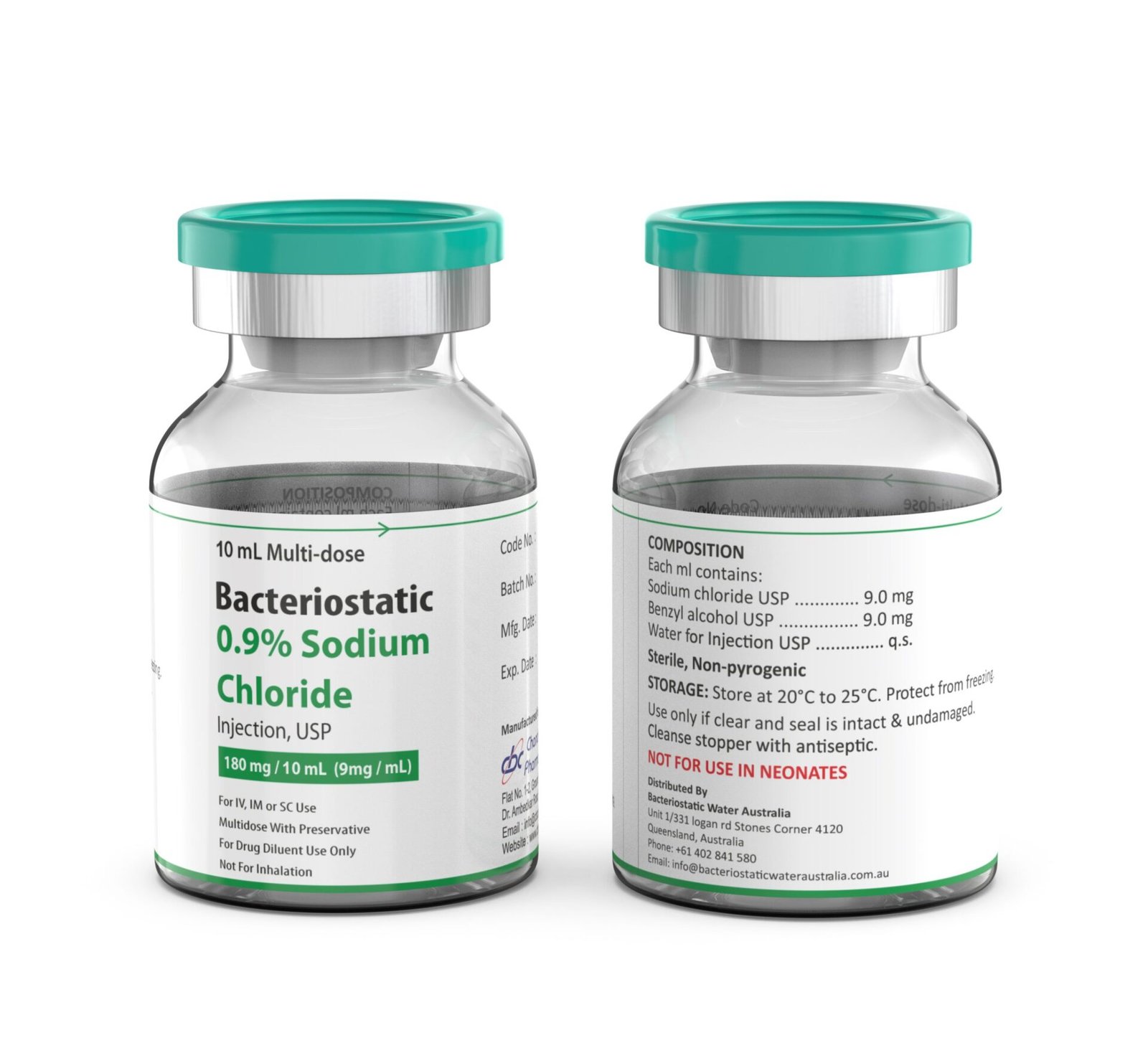
Saline with preservative is a sterile sodium chloride solution containing an antimicrobial preservative that helps prevent bacterial growth after opening. It is widely used in modern healthcare for medication reconstitution, dilution, and multi-dose applications, offering improved convenience, reduced waste, and enhanced sterility when handled according to medical guidelines.
Introduction
Healthcare professionals rely on sterile solutions for medication preparation, injection procedures, and various clinical applications. Among these solutions, saline with preservative plays an important role in maintaining sterility and supporting efficient patient care.
Unlike preservative-free saline, this formulation contains an antimicrobial agent designed to inhibit bacterial growth after the vial has been accessed. This feature makes it particularly useful in situations where a solution may be used multiple times within a specified period.
As healthcare systems continue to prioritize patient safety, resource efficiency, and infection control, saline with preservative has become an important component in many medical environments. Understanding its benefits, uses, and limitations can help healthcare professionals make informed decisions about its appropriate use.
What Is Saline With Preservative?
Saline with preservative is a sterile solution containing sodium chloride dissolved in water, along with a preservative that helps prevent microbial contamination after the container is opened.
The solution is commonly used for:
- Medication dilution
- Drug reconstitution
- Injection preparation
- Clinical procedures requiring sterile saline
A common example is bacteriostatic sodium chloride for injection, which contains sodium chloride and a preservative such as benzyl alcohol. The preservative inhibits the growth of certain bacteria, helping maintain the solution’s integrity during repeated use under appropriate conditions.
While the preservative reduces the risk of contamination, it does not eliminate the need for proper aseptic technique and safe handling practices.
How It Works
Understanding how saline with preservative functions helps explain its value in healthcare settings.
Step 1: Sterile Preparation
The solution is manufactured under controlled sterile conditions to ensure it is free from harmful microorganisms before use.
Step 2: Addition of Preservative
A preservative is included in the formulation to inhibit bacterial growth if microorganisms are accidentally introduced after the vial is accessed.
Step 3: Medication Preparation
Healthcare professionals may use the solution to:
- Reconstitute powdered medications
- Dilute injectable drugs
- Prepare doses for administration
Step 4: Multi-Dose Usage
Because of the preservative, certain products can be used for multiple withdrawals within the manufacturer’s recommended time frame, reducing unnecessary waste.
Step 5: Infection Control Support
When combined with proper storage and aseptic handling, the preservative helps support infection prevention efforts in clinical environments.
Key Benefits of Saline With Preservative
Modern healthcare settings benefit from saline with preservative in several important ways.
Enhanced Protection Against Bacterial Growth
The primary advantage is the preservative’s ability to inhibit bacterial proliferation after a vial has been punctured.
This additional layer of protection can help reduce contamination risks when the solution is used appropriately.
Supports Multi-Dose Applications
Many healthcare facilities require repeated access to injectable solutions throughout the day.
Saline with preservative allows multiple withdrawals under approved usage guidelines, making it practical for clinical workflows.
Reduced Product Waste
Single-use products often result in unused solution being discarded.
Multi-dose capabilities can reduce waste and improve inventory efficiency in healthcare facilities.
Improved Operational Efficiency
Healthcare professionals can prepare medications more efficiently when an appropriate multi-use solution is available.
This can be particularly beneficial in busy clinical environments where time and resources are carefully managed.
Useful for Medication Reconstitution
Many injectable medications are supplied as powders and require reconstitution before administration.
Saline with preservative provides a sterile medium for preparing these medications according to prescribing instructions.
Supports Consistent Clinical Practice
Standardized preparation methods help maintain consistency across healthcare teams, reducing variability during medication handling and administration.
Contributes to Infection Prevention Strategies
While not a substitute for sterile technique, preservative-containing saline can complement broader infection control protocols within healthcare facilities.
Safety, Risks, and Considerations
Although saline with preservative offers important advantages, healthcare professionals must understand its limitations.
Not Suitable for Every Patient
Certain preservative-containing solutions may not be appropriate for:
- Neonates
- Premature infants
- Specific sensitive patient populations
Healthcare providers should always follow manufacturer recommendations and clinical guidelines.
Preservative Sensitivity
Some individuals may experience sensitivity or adverse reactions to preservatives contained within the solution.
Patient history should be reviewed before use.
Proper Storage Remains Essential
The preservative does not guarantee indefinite sterility.
Users should:
- Follow storage instructions
- Observe expiration dates
- Discard products when recommended
- Maintain aseptic technique
Avoid Misuse
Using a solution outside its intended purpose can increase risks and compromise patient safety.
Healthcare professionals should always follow approved instructions for preparation and administration.
Saline With Preservative vs Sterile Water
Understanding the differences between saline with preservative and sterile water helps clarify their appropriate applications.
Saline With Preservative
- Contains sodium chloride
- Includes an antimicrobial preservative
- Often suitable for specific multi-dose applications
- Commonly used for medication preparation and dilution
Sterile Water
- Contains no sodium chloride
- Typically contains no preservative
- Generally intended for single-use applications
- Frequently used for medication reconstitution when specified by manufacturers
The choice depends on medication requirements, patient needs, and clinical guidelines.
Real-World Use Cases in Modern Healthcare
Healthcare facilities across Australia and other regions utilize preservative-containing saline in various settings.
Hospitals
Hospital pharmacies and clinical departments often use saline solutions during medication preparation and administration processes.
Outpatient Clinics
Clinics performing routine injections may benefit from appropriately managed multi-dose solutions that support workflow efficiency.
Cosmetic and Aesthetic Practices
Certain injectable treatments require medication dilution or preparation under sterile conditions. Healthcare professionals follow product-specific guidelines when selecting preparation solutions.
Research and Training Environments
Medical education and laboratory settings may utilize sterile saline solutions for approved procedural and instructional purposes.
Australian Healthcare Context
Australian healthcare providers operate under strict infection control and medication safety standards. Resources from organizations such as Bacteriostatic Water Australia help healthcare professionals understand different sterile solution options while adhering to regulatory and clinical requirements.
Frequently Asked Questions
1. What is the purpose of the preservative in saline solutions?
The preservative helps inhibit bacterial growth after the vial has been opened. This additional protection can support safe handling during approved multi-dose use, although proper aseptic technique remains essential.
2. Is saline with preservative the same as normal saline?
Not exactly. Both contain sodium chloride, but saline with preservative includes an antimicrobial agent designed to reduce bacterial growth after opening. Standard normal saline products may not contain preservatives.
3. Can bacteriostatic sodium chloride for injection be used for all medications?
No. Medication manufacturers specify which diluents should be used. Healthcare professionals must always follow prescribing information and preparation instructions before selecting a diluent.
4. Does the preservative eliminate contamination risks?
No. The preservative helps inhibit bacterial growth but does not replace proper sterile handling procedures. Contamination can still occur if recommended practices are not followed.
5. Why is saline with preservative often used in multi-dose containers?
The preservative provides additional protection against bacterial growth after repeated vial access, making multi-dose use more practical when used according to approved guidelines.
6. Are there patients who should avoid preservative-containing saline?
Yes. Certain patient groups, including some infants and individuals with preservative sensitivities, may require alternative solutions. Healthcare providers determine the most appropriate option based on clinical circumstances.
7. How should saline with preservative be stored?
Storage requirements vary by manufacturer. Users should follow label instructions regarding temperature, handling, expiration dates, and discard timelines after opening.
Key Takeaways
- Saline with preservative contains sodium chloride and an antimicrobial preservative.
- It helps inhibit bacterial growth after a vial has been accessed.
- The solution supports medication preparation, dilution, and reconstitution.
- Multi-dose use can improve efficiency and reduce waste in healthcare settings.
- Proper aseptic technique remains essential despite preservative protection.
- Not all patients or medications are suitable for preservative-containing solutions.
- Healthcare professionals should always follow manufacturer instructions and clinical guidelines.
Disclaimer
This article is intended for educational and informational purposes only. It does not constitute medical advice, diagnosis, or treatment. Healthcare professionals should consult official product information, regulatory guidance, and clinical protocols before using any injectable solution or medication preparation product.