

The bakery and food processing sectors have emerged as promising career avenues for individuals seeking practical skills and stable employment opportunities. Government-supported training initiatives play a significant role in preparing aspiring professionals with industry-relevant knowledge and hands-on experience. These programs not only focus on baking techniques but also introduce learners to broader food manufacturing concepts. Enrolling in a government bakery course in India can help candidates develop specialized competencies and improve employability. As food production continues to expand, understanding processes such as the ketchup manufacturing process can further enhance career prospects within the food industry.
The Growing Demand for Skilled Bakery Professionals
The food industry is experiencing rapid growth due to changing consumer preferences, urbanization, and increased demand for packaged and ready-to-eat products. Bakeries, confectionery units, and food processing facilities require trained professionals who understand production methods, quality standards, and food safety practices.
As businesses seek skilled workers, vocational training has become an important pathway for career development. Government-backed initiatives help bridge the gap between industry requirements and workforce capabilities by providing structured learning opportunities.
A government bakery course in India equips learners with the technical and practical knowledge needed to succeed in bakery operations and related food processing roles.
Understanding Government-Backed Bakery Training Programs
What Are Government-Supported Bakery Courses?
Government-supported bakery programs are designed to provide accessible and affordable skill development opportunities. These courses typically combine theoretical instruction with practical training to ensure learners gain industry-ready competencies.
Participants are introduced to topics such as:
- Bakery production techniques
- Ingredient handling and storage
- Food safety and hygiene
- Quality control practices
- Equipment operation and maintenance
- Packaging and product presentation
Such programs help individuals develop the confidence and expertise required for employment or entrepreneurship.
Why These Programs Matter
The food industry values practical skills as much as academic qualifications. Training programs supported by government initiatives focus on hands-on learning, enabling participants to understand real-world production environments.
Completing a government bakery course in India can provide candidates with recognized credentials and improve their chances of securing employment in bakery and food processing sectors.
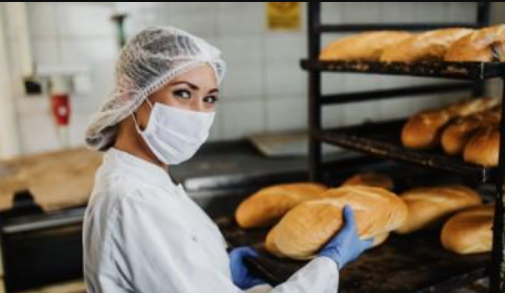
Key Skills Developed Through Bakery Training
Baking and Production Techniques
Participants learn the fundamentals of preparing bread, cakes, pastries, biscuits, and other baked products. Training includes ingredient measurement, dough preparation, baking methods, and product finishing techniques.
These technical skills form the foundation for successful careers in bakery production.
Food Safety and Hygiene
Food safety is a critical aspect of all food manufacturing operations. Bakery training programs emphasize proper hygiene practices, sanitation procedures, and contamination prevention measures.
Understanding food safety regulations helps learners contribute to safe and compliant production environments.
Quality Assurance
Modern food businesses place significant emphasis on product consistency and quality. Training programs teach participants how to monitor production standards, identify defects, and implement corrective actions.
Quality assurance knowledge is valuable across multiple segments of the food processing industry.
Career Opportunities After Bakery Training
Employment in Bakery Operations
Graduates can pursue roles in commercial bakeries, food production facilities, hotels, restaurants, and retail food establishments. Common positions include:
- Bakery assistant
- Production operator
- Quality control assistant
- Packaging technician
- Bakery supervisor
The practical skills gained during training make candidates attractive to employers seeking competent professionals.
Entrepreneurship Opportunities
Many individuals use bakery training as a stepping stone toward starting their own businesses. With proper planning and market research, entrepreneurs can establish small-scale bakery ventures serving local communities.
Government-backed programs often encourage entrepreneurial thinking by introducing learners to business management fundamentals and operational planning.
Opportunities in Food Processing
Bakery training can also lead to broader opportunities within the food processing industry. Learners gain exposure to production systems, quality standards, and manufacturing practices that apply to various food categories.
This versatility enhances long-term career flexibility and growth potential.
The Connection Between Bakery Skills and Food Processing
Understanding Manufacturing Processes
Modern training programs increasingly expose learners to different food manufacturing operations beyond baking. This broader perspective helps participants understand how food products are processed, packaged, and distributed.
For example, studying the ketchup manufacturing process provides insight into ingredient preparation, blending, heating, quality control, and packaging procedures commonly used in food processing facilities.
Building Cross-Functional Knowledge
Food processing organizations value employees who possess diverse technical knowledge. Exposure to areas such as the ketchup manufacturing process helps bakery trainees understand manufacturing principles that extend beyond bakery products.
This cross-functional understanding can improve career prospects and support advancement into supervisory or management roles.
Benefits of Government-Supported Training Programs
Affordable Skill Development
One of the primary advantages of government-backed training initiatives is affordability. These programs make quality education accessible to a wider range of individuals, including those from diverse socioeconomic backgrounds.
Reduced training costs encourage greater participation and contribute to workforce development.
Industry-Relevant Curriculum
Government-supported courses are often developed in consultation with industry stakeholders. This ensures that training content reflects current market needs and technological advancements.
A well-designed government bakery course in India prepares learners for real-world challenges by focusing on practical skills and workplace readiness.
Certification and Recognition
Recognized certifications enhance professional credibility and demonstrate competency to potential employers. Certification can improve employment prospects and support career advancement within the food industry.

The Importance of Practical Training
Hands-On Learning Experience
Practical training enables learners to apply theoretical concepts in realistic settings. Participants gain experience using equipment, following production procedures, and maintaining quality standards.
This experiential approach helps build confidence and reinforces technical knowledge.
Exposure to Industry Standards
Training facilities often simulate professional production environments, allowing learners to understand workplace expectations and operational requirements.
Exposure to industry practices prepares candidates to transition smoothly into employment opportunities.
Enhanced Problem-Solving Skills
Food production environments require employees to identify and address operational challenges efficiently. Practical training develops critical thinking and problem-solving abilities that are highly valued by employers.
Preparing for Future Industry Trends
Technology and Automation
The food industry continues to adopt advanced technologies and automated systems. Training programs increasingly incorporate modern production methods to ensure learners remain competitive in evolving workplaces.
Understanding automated processes can open doors to specialized technical roles within food manufacturing facilities.
Sustainability and Efficiency
Businesses are focusing on reducing waste, improving resource utilization, and adopting sustainable practices. Future professionals must understand how efficient production contributes to environmental and economic goals.
Knowledge of processes such as the ketchup manufacturing process can help learners appreciate the importance of standardization, resource management, and quality control in modern food production.
Choosing the Right Training Program
Evaluate Course Content
Prospective learners should review course modules carefully to ensure they cover relevant technical and practical topics. Programs that include hands-on training and industry exposure often provide greater value.
Consider Career Goals
Individuals interested in bakery operations, food processing, or entrepreneurship should select programs aligned with their professional objectives.
A comprehensive government bakery course in India can provide the foundational skills needed to pursue multiple career pathways within the food sector.
Focus on Skill Development
The most effective training programs prioritize competency development, practical application, and continuous learning. These elements contribute significantly to long-term career success.
Conclusion
Government-backed bakery training programs provide valuable opportunities for individuals seeking rewarding careers in the food industry. By combining practical learning, technical knowledge, and industry-relevant skills, these programs help participants prepare for diverse employment and entrepreneurial opportunities. A strong foundation in bakery production, food safety, and manufacturing concepts enables learners to adapt to evolving industry demands. Through its commitment to skilling, certification, placement support, capacity building, and entrepreneurship development for the food processing sector, FICSI plays an important role in strengthening workforce capabilities and supporting sustainable career growth in the industry.
