
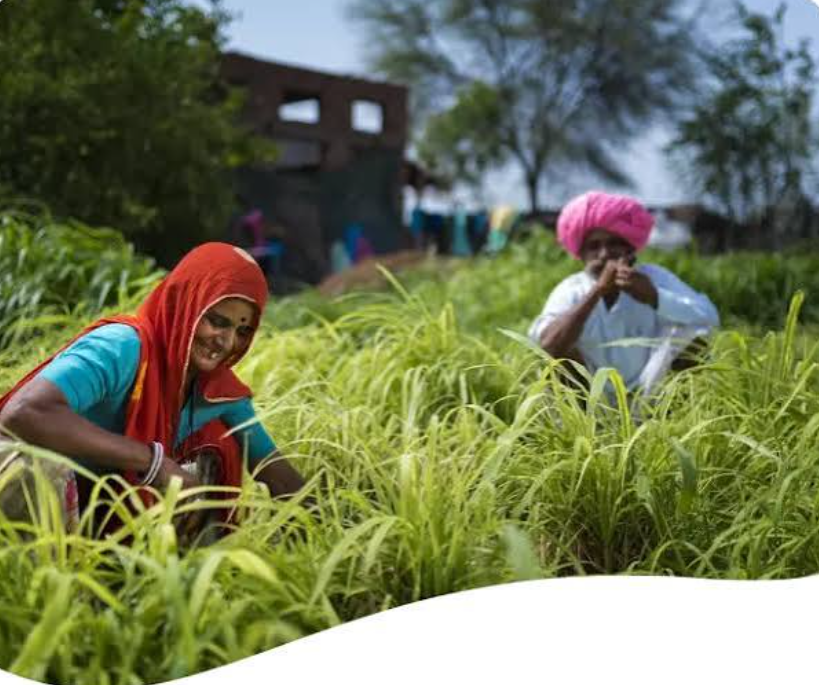
Pest infestations remain one of the most significant challenges in modern agriculture, affecting crop health, yield potential, and overall farm profitability. Insects and other harmful organisms can damage crops at various growth stages, leading to substantial economic losses if not managed effectively. As agricultural practices evolve, farmers are increasingly adopting integrated pest management approaches that combine preventive measures, monitoring, and targeted interventions. The careful use of agriculture insecticide products alongside environmentally responsible solutions such as biological pesticides helps farmers protect crops while promoting sustainable agricultural productivity and long-term field health.
Understanding the Importance of Pest Management
Effective pest management is essential for maintaining healthy crops and ensuring consistent agricultural output. Pests can reduce yields by feeding on plant tissues, transmitting diseases, and weakening overall crop vigor.
Impact on Crop Productivity
Unchecked pest populations can severely affect plant growth and development. Damaged crops often produce lower yields and inferior-quality harvests, reducing market value and profitability.
Economic Consequences
Pest-related losses can increase production costs due to additional treatments, labor requirements, and reduced harvest volumes. Implementing effective management strategies helps farmers safeguard their investments.
Food Security Considerations
Healthy crops contribute directly to food security by ensuring stable agricultural production. Effective pest control plays a crucial role in meeting the growing demand for food in an expanding population.
Common Agricultural Pests and Their Effects
Insect Pests
Many insects feed directly on leaves, stems, roots, flowers, and fruits. Their feeding activity can stunt growth, reduce photosynthesis, and weaken plant health.
Disease-Carrying Pests
Certain pests act as vectors for bacterial, viral, and fungal diseases. These pests can rapidly spread infections throughout fields, causing widespread crop damage.
Soil-Dwelling Pests
Some pests attack underground plant structures, damaging roots and limiting the plant’s ability to absorb water and nutrients effectively.
Understanding the behavior and life cycles of these pests is essential for developing successful management strategies.
Principles of Integrated Pest Management
Integrated Pest Management (IPM) is a comprehensive approach that combines multiple techniques to manage pest populations while minimizing environmental impact.
Prevention First
Preventive practices reduce the likelihood of pest outbreaks before they occur. Maintaining healthy crops and favorable growing conditions forms the foundation of successful pest management.
Regular Monitoring
Frequent field inspections allow farmers to detect pest activity early. Monitoring helps identify potential threats before they reach economically damaging levels.
Threshold-Based Action
Rather than responding to every pest sighting, IPM encourages intervention only when pest populations exceed established economic thresholds.
Combination of Control Methods
IPM incorporates cultural, biological, mechanical, and chemical measures to achieve effective and sustainable pest control.
Cultural Practices for Pest Prevention
Crop Rotation
Rotating crops disrupts pest life cycles and reduces the buildup of pest populations associated with specific crops.
Field Sanitation
Removing crop residues, weeds, and volunteer plants helps eliminate breeding sites and food sources for pests.
Proper Irrigation Management
Balanced irrigation practices reduce plant stress and create less favorable conditions for certain pest species.
Selection of Healthy Planting Material
Using high-quality seeds and planting materials contributes to stronger crops that are better able to withstand pest pressure.
These cultural practices serve as the first line of defense against pest infestations.
Role of Agriculture Insecticides in Crop Protection
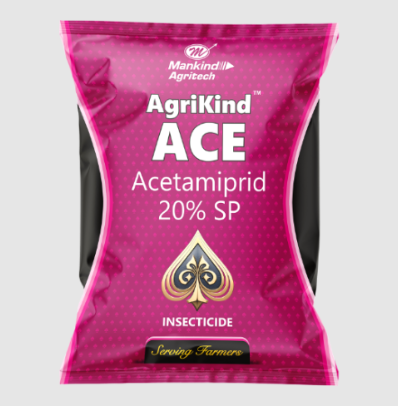
Chemical control remains an important component of modern pest management programs. The responsible use of agriculture insecticide products helps farmers control damaging insect populations efficiently and protect crop yields.
Targeted Pest Control
Modern insecticides are designed to target specific pests while minimizing unintended effects when applied correctly.
Rapid Response to Infestations
When pest populations increase rapidly, timely application of an agriculture insecticide can help prevent severe crop damage and economic losses.
Supporting Integrated Management
Chemical solutions are most effective when combined with preventive and monitoring practices as part of a broader pest management strategy.
Proper product selection, dosage, and application timing are essential for achieving optimal results while maintaining environmental responsibility.
Biological Pest Control Methods
As sustainability becomes increasingly important in agriculture, biological approaches to pest management continue to gain popularity.
Natural Predators
Beneficial insects and organisms naturally help regulate pest populations. Encouraging these natural enemies can reduce reliance on intensive interventions.
Microbial Solutions
Certain microorganisms can suppress or eliminate harmful pests without negatively affecting crops or beneficial species.
Environmentally Responsible Practices
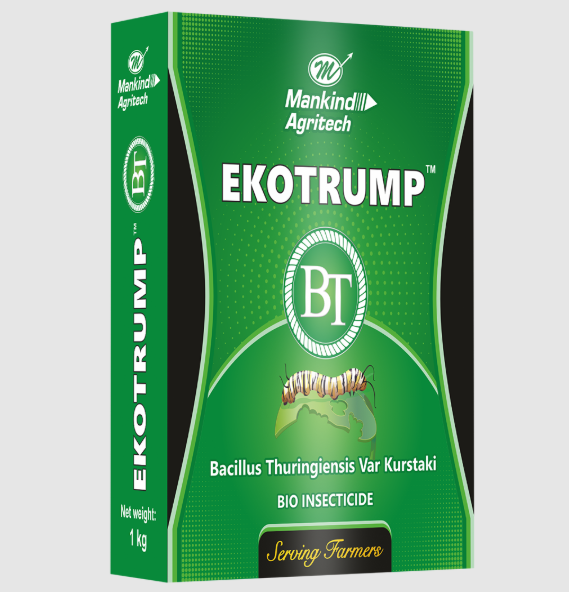
The use of biological pesticides supports sustainable farming by targeting pests while minimizing ecological disruption.
These solutions provide farmers with valuable alternatives that complement conventional pest management methods.
Advantages of Biological Pesticides
Reduced Environmental Impact
Compared to many conventional approaches, biological pesticides often offer a more environmentally friendly option for pest control.
Enhanced Biodiversity
Supporting beneficial organisms contributes to healthier agricultural ecosystems and improved natural pest regulation.
Compatibility with Integrated Programs
Biological solutions can be effectively incorporated into integrated pest management systems, providing additional flexibility for farmers.
Resistance Management
Using diverse pest control methods helps reduce the risk of pests developing resistance to specific treatments over time.
The increasing adoption of biological pesticides reflects the growing emphasis on sustainable agricultural practices worldwide.
Monitoring and Early Detection Strategies
Field Scouting
Regular field scouting allows farmers to identify pest populations before they reach damaging levels. Early detection improves decision-making and treatment effectiveness.
Use of Traps
Monitoring traps help track pest activity and population trends throughout the growing season.
Digital Technologies
Advancements in agriculture now enable farmers to utilize sensors, drones, and digital monitoring systems to detect pest problems more accurately and efficiently.
Data-Driven Decisions
Collecting and analyzing field data allows farmers to implement timely and targeted interventions that maximize crop protection outcomes.
Sustainable Pest Management for Long-Term Success
Balancing Productivity and Environmental Stewardship
Sustainable pest management seeks to maintain high agricultural productivity while minimizing negative environmental impacts.
Preserving Beneficial Organisms
Protecting pollinators and natural predators contributes to healthier farming ecosystems and improved crop resilience.
Reducing Unnecessary Applications
Targeted interventions based on monitoring and economic thresholds help optimize resource use and improve efficiency.
Building Resilient Farming Systems
Integrating preventive, biological, and chemical methods creates stronger and more adaptable agricultural systems capable of addressing future challenges.
Farmers who adopt a balanced approach to pest management are better positioned to achieve consistent yields and long-term success.
Future Trends in Pest Management
Technological innovations continue to transform agricultural pest control. Precision agriculture, artificial intelligence, remote sensing, and predictive analytics are enabling farmers to detect pest threats earlier and respond more effectively.
These advancements support more efficient resource utilization and improve the accuracy of pest management decisions. The future of crop protection will increasingly rely on integrated strategies that combine scientific innovation with sustainable farming practices.
The responsible use of agriculture insecticide products, combined with advanced monitoring systems and environmentally conscious solutions, will continue to play a vital role in modern agriculture.
Conclusion
Effective pest management is essential for protecting crop health, improving yields, and ensuring sustainable agricultural growth. By combining preventive practices, regular monitoring, biological controls, and responsible chemical interventions, farmers can successfully manage pest challenges throughout the growing season. The strategic use of agriculture insecticide products and the adoption of biological pesticides provide valuable tools for maintaining healthy and productive crops. Mankind Agritech continues to focus on delivering accessible and affordable crop protection solutions that support growers in meeting modern agricultural demands while promoting sustainable farming and quality agricultural production.
