
Introduction
A sewer line is one of the most important parts of your home’s plumbing system. It carries wastewater away from your home safely and efficiently. But when a sewer line collapses, it can create serious problems that affect your health, property, and daily life.
A collapsed sewer line is a major plumbing emergency. If not fixed quickly, it can lead to sewage backups, foul smells, and expensive property damage. In this article, we will explain the warning signs, causes, and what steps you should take if you face this issue.
What Is a Collapsed Sewer Line?
A collapsed sewer line happens when part of the underground pipe breaks, cracks, or completely caves in. This stops wastewater from flowing properly and causes blockages or backups.
This problem can occur in both old and new homes, depending on soil conditions, pipe quality, and maintenance.
Common Causes of Sewer Line Collapse
Understanding the causes can help prevent future damage.
1. Tree Root Invasion
Tree roots naturally grow toward water sources. They can enter small cracks in sewer pipes and slowly break them apart.
2. Old or Deteriorating Pipes
Older pipes made from clay or cast iron can weaken over time and eventually collapse.
3. Ground Movement
Shifting soil, earthquakes, or heavy construction work nearby can put pressure on sewer lines.
4. Blockages and Pressure Build-Up
Severe clogs can increase pressure inside pipes, leading to cracks or breaks.
5. Poor Installation
Improper pipe installation or low-quality materials can lead to early failure.
Signs of a Collapsed Sewer Line
A collapsed sewer line often shows warning signs before it completely fails. Paying attention to these signs can help you take action early.
1. Frequent Drain Backups
If multiple drains in your home are backing up at the same time, it may indicate a serious sewer issue.
2. Slow Draining Water
Slow sinks, tubs, and toilets can be an early warning of a damaged sewer line.
3. Foul Sewage Smells
A strong sewage odor inside or outside your home is a major red flag.
4. Gurgling Sounds
Strange bubbling or gurgling noises in toilets or drains may indicate trapped air in broken pipes.
5. Soggy or Sunken Yard Areas
Wet patches or sinking soil in your yard can mean leaking sewage underground.
6. Pest Problems
Rodents and insects are often attracted to sewage leaks and may appear around your home.
7. Increased Water Bills
Unexpected spikes in water usage may indicate a hidden plumbing issue.
8. Toilet Water Level Changes
If your toilet water level rises or drops without reason, it may be linked to sewer line damage.
What Happens If You Ignore the Problem?
Ignoring a collapsed sewer line can lead to serious consequences:
- Sewage backups inside the home
- Health risks from bacteria and contamination
- Damage to flooring and walls
- Mold growth
- Expensive emergency repairs
- Yard contamination
Early action is always the best solution.
What to Do If You Suspect a Collapsed Sewer Line
If you notice any of the warning signs, follow these steps immediately:
Step 1: Stop Using Water
Avoid using sinks, toilets, showers, and washing machines to prevent further damage.
Step 2: Check for Visible Signs
Look for wet patches, bad smells, or slow drains around your home.
Step 3: Call a Professional Plumber
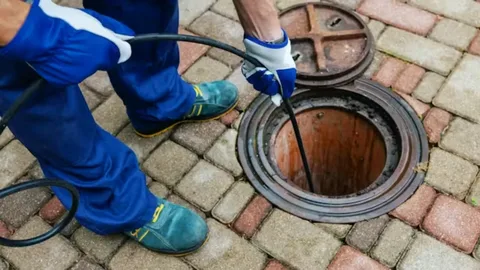
Sewer line problems require special tools like camera inspections and advanced equipment.
Step 4: Get a Sewer Inspection
A plumber may use a camera to inspect inside the pipes and confirm the damage.
Step 5: Plan for Repair or Replacement
Depending on the damage, you may need:
- Pipe repair
- Trenchless sewer repair
- Full sewer line replacement
For reliable help, homeowners often search for sewer repair salt lake city services to handle such emergencies quickly and professionally.
Sewer Repair Methods Used by Professionals
Modern plumbing companies use advanced techniques to fix sewer lines.
1. Trenchless Sewer Repair
This method repairs pipes without digging large trenches. It is faster and less damaging to your yard.
2. Pipe Lining
A new lining is inserted inside the damaged pipe to seal cracks and leaks.
3. Pipe Bursting
The old pipe is broken while a new one is installed in its place.
4. Traditional Excavation
In severe cases, the damaged section is dug up and replaced completely.
How to Prevent Sewer Line Problems
Prevention is always better than repair.
Regular Maintenance Tips:
- Avoid flushing wipes or grease
- Keep trees away from sewer lines
- Schedule regular inspections
- Fix small drain issues early
- Use drain covers to prevent blockages
When to Call Emergency Help
You should call a plumber immediately if you notice:
- Sewage backup in home
- Strong sewer gas smell
- Multiple clogged drains
- Flooding in yard
- No water drainage at all
These are signs of a serious sewer emergency.
Conclusion
A collapsed sewer line is a serious plumbing issue that should never be ignored. Early detection can save you from expensive repairs and major property damage. By recognizing the warning signs and acting quickly, you can protect your home and health.
Always rely on professional plumbers for inspection and repair to ensure the problem is fixed safely and effectively. Regular maintenance and early action are the key to avoiding sewer line disasters in the future.
