
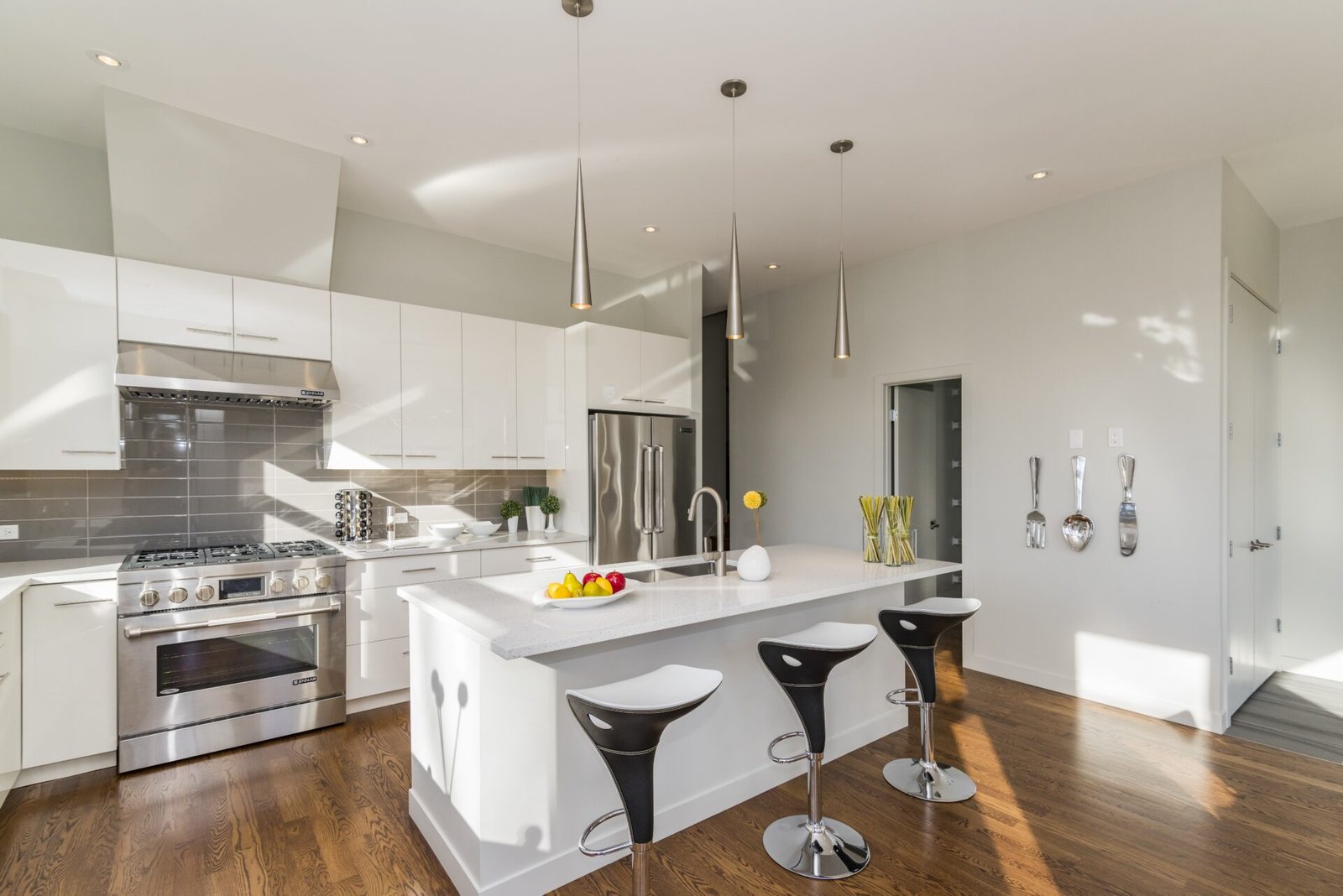
Most kitchen renovations don’t fail during construction. They fall apart before a single wall comes down. Missed permits, a contractor without a real process, planning conversations that never happened — Virginia homeowners who’ve dealt with this know exactly what it costs. Not just money. Time, stress, and a kitchen that still doesn’t function the way it should.
Understanding what a well-run project actually looks like changes how you approach the whole thing. Here’s a straight look at what to expect when you hire kitchen renovation services VA that treat the process seriously.
The Consultation Is Where It Either Goes Right or Wrong
First meetings aren’t about finishes. A contractor worth hiring spends this time figuring out where the kitchen is actually failing you — and what it would take to fix it properly.
Real questions come up here:
- Where does daily workflow break down? Too little prep space, poor storage placement, or a layout that just doesn’t move well?
- Are you looking to change the structure of the space, or work within what’s already there?
- What’s the plumbing and electrical situation — and what will realistically need to move?
Budget gets discussed here too. Not in vague ranges, but tied to what the scope actually demands. Contractors who skip this and jump straight to quoting tend to deliver renovations that look fine on the surface but don’t address the real problems. That distinction — cosmetic fix versus a kitchen that genuinely works better — starts here.
Design and Planning: Decisions Made on Paper Cost Nothing
Once the scope is settled, design work begins. Layouts get drawn. Good teams end up making 3D renderings, and honestly those are more useful than they might at first seem. When you can look at the final kitchen before anything is demolished, you get to notice some proportion that just feels off, swap out the material pairing that isn’t working, or move the island, two feet, before a single cabinet is ordered.
Changing your mind at this stage is free. Changing it after cabinets are installed is not.
Material decisions move through this phase too:
- Countertop material, edge profile, and thickness
- Cabinet style, finish type, door profile, and interior fittings
- Backsplash, flooring, and where lighting actually lands
- Appliance dimensions and how each unit fits the layout physically
None of these decisions exist separately. Countertop overhang affects how many people can sit at an island comfortably. Cabinet depth changes how the refrigerator door clears the adjacent wall. A team running both design and construction catches these things before they become site problems. When design and construction are handled by different parties, those gaps tend to surface mid-build — and fixing them mid-build costs real money.
Permits in Virginia: The Part That Gets Skipped and Shouldn’t
Electrical changes, plumbing relocation, structural modifications — each of these triggers permit requirements in Virginia. Doesn’t matter if the project is in Arlington, Fairfax, or somewhere further out in the state. The requirement exists regardless.
Some contractors skip permits to keep things moving faster. That creates a problem the homeowner carries, not the contractor. Unpermitted work shows up during home sales. It shows up in insurance claims. Usually at the worst possible moment. A licensed contractor pulls permits then schedules inspections and then handles code compliance as part of doing the job correctly. In Northern Virginia specifically, HOA approvals often add another layer. Getting ahead of those requirements before work starts is far easier than waiting on approvals after it already has.
Construction: What’s Actually Happening on Your Site
Demolition goes first. Cabinetry gets pulled, flooring comes up, walls come down where the layout is changing. A gutted kitchen never looks reassuring. It’s not supposed to. What matters is the sequencing of everything that follows and how tightly it gets managed.
Rough-in work comes after demo:
- Plumbing lines shift if the sink location or appliances are moving
- Electrical rough-in covers new circuits, outlet positions, and under-cabinet lighting runs
- Structural changes get inspected and cleared before the build-out phase starts
When inspections pass, the visible build begins. Cabinet installation, countertop templating, tile, appliances, and fixtures come in sequence — and that sequence isn’t arbitrary. Cabinets have to be fully installed and leveled before countertops get templated. Backsplash waits until countertops are in place.
Stone countertop fabrication deserves its own mention. After templating, the slab goes to fabrication. That takes one to three weeks before it returns for installation. Contractors who plan for this keep the project moving. Those who don’t end up with a stalled site and a client eating takeout far longer than the estimate suggested.
Communication Mid-Project: Where Things Quietly Go Sideways
Work slows down. Decisions sit unanswered for days. The homeowner ends up texting to find out what’s happening in their own kitchen. This is common. It shouldn’t be.
A well-run project has structure around communication:
- Updates tied to actual milestones, not just when something breaks
- One contact who knows the full project status and can answer directly
- Change orders and material confirmations documented in writing
- Lead time shifts flagged before they affect the schedule, not after
The design-build model handles this better than most setups. One team carries responsibility from design through handover. There’s no blame passed between a designer and a separate contractor when something doesn’t line up. Decisions get made by the same people executing them.
Handover and What Comes After
A proper close-out means something. Cabinet doors aligned and functioning, drawers running smooth, appliances connected and tested, grout lines consistent, fixtures checked for leaks. Every element gets looked at before the project signs off. Punch-list items get resolved, not noted and forgotten.
A reputable kitchen renovation company VA stays reachable after completion. A hinge that loosens six weeks later, a question about sealing quartz, a faucet that develops a slow drip — these get handled without friction. How a contractor behaves after the invoice is paid says more about them than anything in their portfolio.
Why BAMU Design Build Is Worth Calling in Virginia
BAMU Design Build is a licensed Class A contractor with over 15 years of experience serving homeowners all across DC, Maryland , and Virginia. Their design build kind of workflow keeps basically every phase in the same accountable group— consultation, layout design, 3D renderings, permitting, construction, and then the post-completion support too.
Timelines feel organized, milestones get tracked, and the communication is direct through the whole process. For Virginia homeowners who want a kitchen renovation done properly the first time, BAMU has the process and track record to deliver exactly that. Start with a free consultation at bamudesignbuild.com.
FAQs
- How long does a kitchen renovation typically take in Virginia?
Scope determines timeline. A mid-scale project covering layout changes and cabinetry and countertops usually runs six to twelve weeks from design sign-off to completion. Add structural work or permitting complexity and that window extends.
- Do I need permits for a kitchen renovation in VA?
If the job touches electrical, plumbing, or structural parts — yeah. A licensed contractor will handle the permits and the inspection coordination too, as part of the overall work scope and then that’s it, more or less.
- What’s the difference between a renovation and a remodel?
Renovation covers finishes and fixtures within the existing layout. Remodeling means structural changes — walls moved and layout reconfigured and footprint adjusted. A lot of projects end up being both depending on what the space actually needs.
