
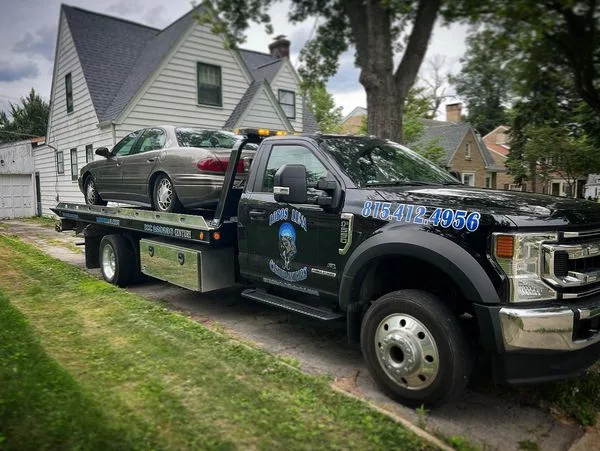
When looking for cash for cars Chicago IL, many vehicle owners wonder why one vehicle receives a higher offer than another. The answer often comes down to the overall condition of the vehicle. Buyers evaluate several factors before determining how much a vehicle is worth, including its mechanical performance, exterior appearance, mileage, and maintenance history.
Understanding how condition affects value can help sellers make informed decisions and better understand the cash offer process. Whether a vehicle is nearly new, heavily used, or no longer running, its condition remains one of the most important factors in determining its market value.
The Relationship Between Vehicle Condition and Value
Vehicle buyers look beyond the make and model when assessing value. A vehicle’s condition provides insight into its usability, potential repair costs, and future resale opportunities.
Cars that require fewer repairs generally attract stronger offers because buyers can invest less money before putting them back on the road or selling them to another owner.
Engine Performance Plays a Major Role
The engine is one of the most valuable parts of any vehicle. A well-functioning engine can significantly increase the amount a buyer is willing to offer.
Common factors that buyers consider include:
- Ease of starting
- Engine noise
- Fuel efficiency
- Fluid leaks
- Overall performance
Vehicles with severe engine problems may receive lower offers because repairs can be expensive and time-consuming.
Transmission Condition Matters
The transmission is another key component that affects value. Buyers often inspect whether the vehicle shifts smoothly and operates properly during driving.
Signs of transmission issues may include:
- Delayed shifting
- Slipping gears
- Unusual noises
- Transmission warning lights
Repairing transmission problems can be costly, which often influences the final offer.
Exterior Appearance Can Influence Offers
A vehicle’s appearance creates the first impression for buyers.
Positive Factors
- Clean paint
- Minimal dents
- Intact windows
- Rust-free body panels
Negative Factors
- Large dents
- Collision damage
- Broken glass
- Significant rust
While cosmetic issues may not completely determine value, they often contribute to the overall assessment.
Interior Condition Is Often Overlooked
Many sellers focus on exterior damage while forgetting that buyers also evaluate the inside of the vehicle.
Features that may affect value include:
- Seat condition
- Dashboard functionality
- Air conditioning performance
- Interior cleanliness
- Electronic features
A well-maintained interior can improve a vehicle’s overall appeal.
Mileage and Wear
Mileage provides buyers with an estimate of how much a vehicle has been used.
Lower mileage often suggests:
- Less wear on major components
- Longer remaining lifespan
- Reduced maintenance concerns
However, maintenance history can sometimes be more important than mileage alone. A higher-mileage vehicle that has been properly maintained may still receive a competitive offer.
Previous Accidents and Repairs
Vehicles that have been involved in accidents may experience changes in value depending on the severity of the damage.
Minor repairs generally have less impact, while structural damage can affect:
- Safety
- Reliability
- Resale opportunities
Buyers often review repair quality when assessing previously damaged vehicles.
Why Maintenance Records Help
Maintenance records provide evidence that a vehicle has received regular care.
Helpful records include:
- Oil change receipts
- Brake service records
- Tire replacement history
- Inspection reports
These documents can increase buyer confidence and support a stronger valuation.
Local Market Demand Also Affects Offers
Chicago’s vehicle market is constantly changing. Demand for specific makes, models, and parts can influence how much buyers are willing to pay.
Vehicles with highly sought-after parts may retain value even when they are older or no longer operational.
Conclusion
Vehicle condition plays a significant role in determining cash offers throughout Chicago. Factors such as engine health, transmission performance, exterior appearance, interior quality, mileage, accident history, and maintenance records all contribute to overall value.
By understanding these factors, vehicle owners can better prepare for the selling process and develop realistic expectations about pricing. Even older or damaged vehicles can still have value depending on their condition and market demand. For many sellers researching cash for junk cars Chicago and suburb knowing how buyers evaluate condition can make the entire process easier and more transparent.
