
Introduction – The New Economics of Wellness
Across the USA and Canada, wellness is no longer just a personal service—it is becoming a monetized infrastructure inside public spaces. A key driver of this change is the commercial massage chair, which allows businesses to turn relaxation into a direct revenue stream.
These systems are now commonly found in airports, shopping malls, hotels, and entertainment centers. Instead of relying on staff or appointments, they deliver instant, automated massage experiences that users can access on demand.
This shift has created a new business category where comfort, convenience, and cashflow intersect. Companies like ispaexpress are enabling this transformation with commercial massage chair systems designed for durability and profitability.
What Exactly Is a Commercial Massage Chair?
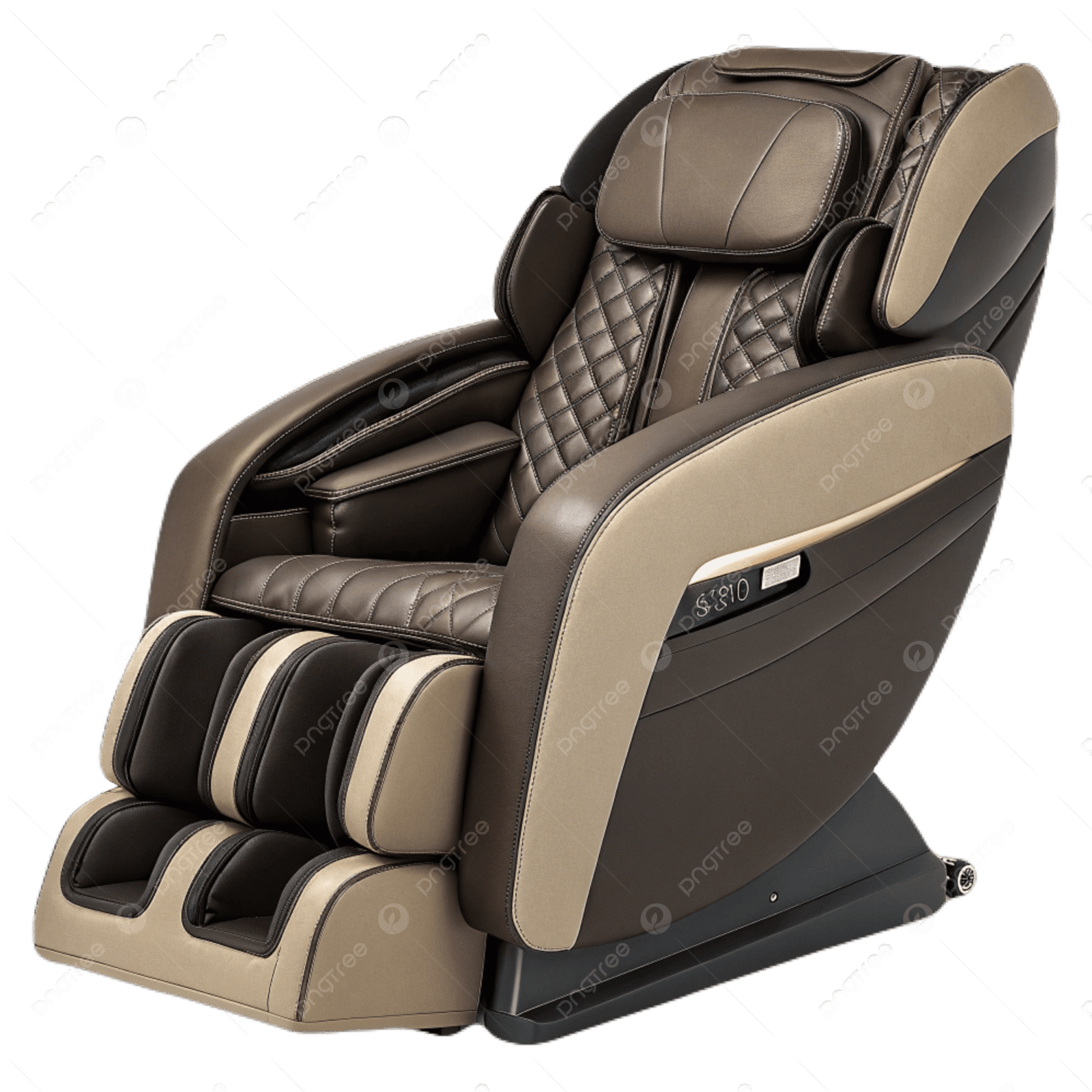
A commercial massage chair is a heavy-duty automated wellness device designed for continuous public use. It is built to withstand high traffic while delivering consistent massage performance throughout the day.
Most models operate as massage chair vending machine systems. Users simply pay per session using digital payment methods, and the chair activates a pre-programmed massage cycle.
These chairs often include full-body massage coverage, adjustable intensity levels, and timed sessions designed for quick relaxation or extended comfort.
Why Demand Is Rising in USA & Canada
Demand is growing rapidly due to changing consumer expectations and business priorities.
Consumers increasingly prefer instant relaxation services instead of traditional spa visits. Businesses, meanwhile, are seeking low-maintenance revenue systems that also improve customer experience.
Search trends such as “massage chair near me,” “massage chair price,” and “full body massage chair” show strong interest in accessible wellness solutions.
This alignment of demand and profitability is accelerating adoption across North America.
How the Revenue System Works
The business model behind commercial massage chairs is simple and highly scalable.
A user selects a chair, pays for a session, and receives an automated massage experience. Each transaction generates direct revenue for the business owner.
Because no staff is required, the system can operate continuously in high-traffic environments, maximizing daily earning potential.
This vending-style wellness model is increasingly viewed as a modern passive income asset.
Types of Commercial Massage Chairs
Full-body massage chairs provide complete head-to-toe relaxation and are commonly used in premium environments like airports and hotels.
Vending massage chairs are designed specifically for public use with integrated payment systems, making them ideal for malls and transit hubs.
Smart massage chairs use AI and sensor technology to personalize massage programs based on body shape and user preferences.
Mechanical massage chairs offer standard massage functions using rollers and vibration systems and are generally more budget-friendly.
Where These Chairs Perform Best
Location plays a critical role in success.
Airports are among the most profitable due to high passenger traffic and long waiting times. Shopping malls also generate strong usage because of consistent daily visitors.
Hotels and resorts use these chairs to enhance guest comfort, while gyms and fitness centers attract users focused on recovery and relaxation.
Corporate offices and healthcare facilities are also adopting wellness seating solutions to improve overall experience.
Pricing and Investment Breakdown
The massage chair price varies depending on features, durability, and payment integration.
Entry-level commercial models typically range from 2,000 to 4,000 USD. Mid-range smart systems fall between 4,000 and 8,000 USD, while premium AI-powered models can exceed 10,000 USD.
Despite the upfront investment, many businesses recover costs quickly in high-traffic environments.
Revenue Potential in Real Use Cases
The massage chair vending machine model operates on a pay-per-use basis.
Each session generates immediate income, and in busy locations, multiple users per hour can create consistent daily revenue.
This makes commercial massage chairs a strong passive income opportunity with minimal operational involvement.
Why ispaexpress Plays a Role
ispaexpress provides commercial massage chair systems designed for modern business environments.
Their focus is on durability, ease of operation, and smart payment integration. Businesses also benefit from customization options and long-term technical support.
This makes ispaexpress a reliable option for entrepreneurs entering the wellness vending market.
Commercial vs Home Massage Chairs
Home massage chairs are designed for personal use and do not generate income.
Commercial massage chairs are built for continuous public operation and include payment systems that enable revenue generation.
For businesses, commercial models clearly offer stronger ROI and scalability.
Market Trends in North America
The wellness industry is shifting toward automation, cashless payments, and self-service systems.
Demand for full body massager solutions in public environments is increasing, especially in transportation and retail spaces.
Businesses are focusing on improving customer experience through technology-driven wellness innovations.
Key Benefits for Business Owners
Commercial massage chairs provide passive income, low maintenance, and improved customer satisfaction.
They also enhance the modern image of business locations, making them more attractive and competitive.
This combination of revenue and branding value makes them a strong long-term investment.
Maintenance and Operations
These systems require minimal maintenance compared to traditional wellness setups.
Routine cleaning, payment system monitoring, and occasional software updates are usually sufficient for smooth operation.
High-quality systems like those from ispaexpress are designed for durability and long service life.
Future Outlook of Commercial Massage Chairs
The future is moving toward AI personalization, smart sensors, and fully automated cashless systems.
Future innovations may include adaptive massage programs, mobile integration, and expansion into broader wellness vending ecosystems.
As adoption increases, commercial massage chairs are expected to become a standard feature in public wellness infrastructure.
Final Thoughts
Commercial massage chairs are evolving into powerful revenue-generating assets across the USA and Canada.
With strong consumer demand and scalable business potential, this industry continues to attract entrepreneurs and investors.
Companies like ispaexpress are helping shape this growth with reliable, future-ready wellness solutions designed for modern commercial spaces.
