
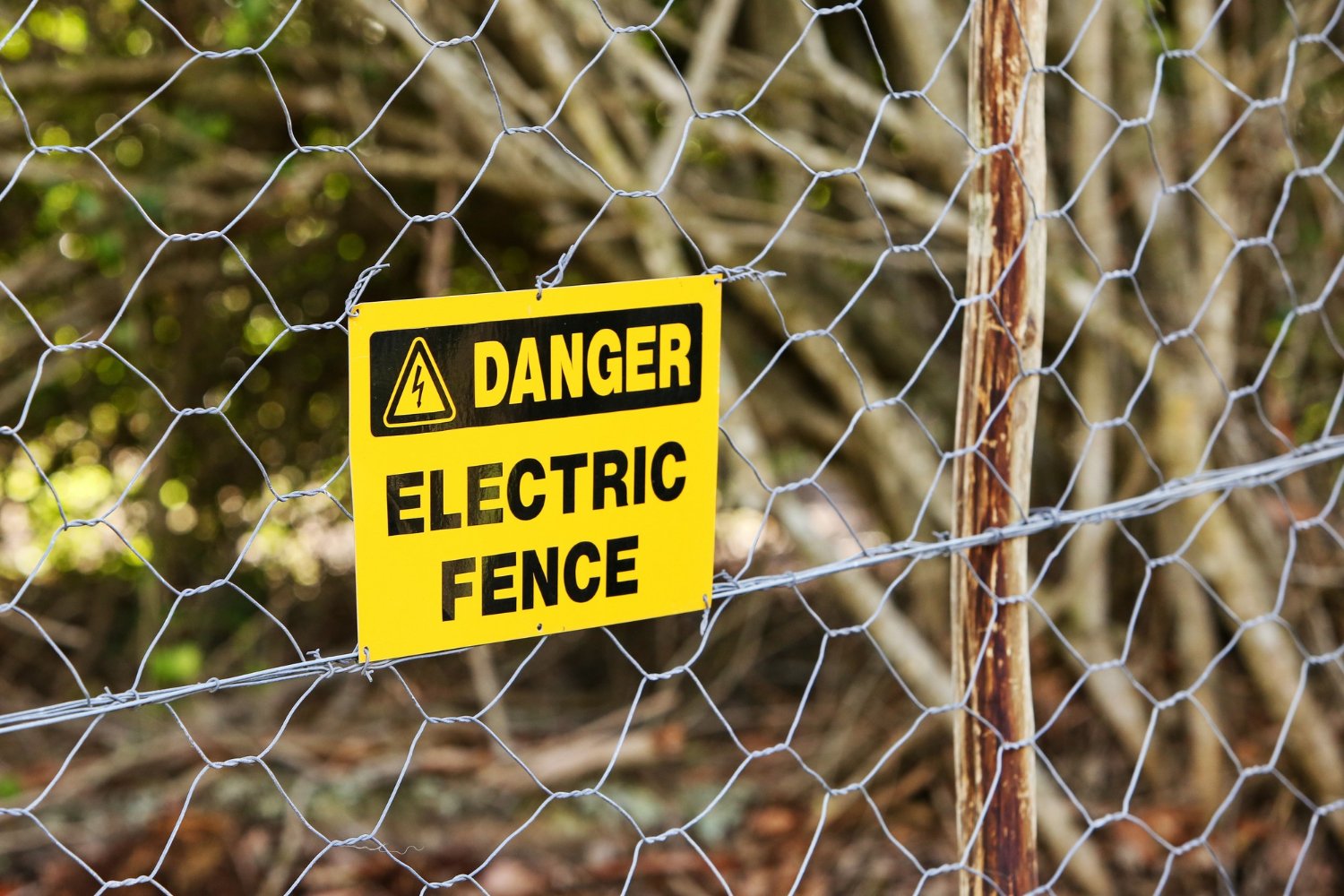
Modern property ownership in South Africa comes with two major priorities: security and uninterrupted power supply. With increasing concerns about safety and frequent load shedding, homeowners and businesses are actively investing in long-term solutions that improve both protection and energy reliability.
This is why two services have become especially important in Cape Town and surrounding areas: professional fencing contractors and inverter installation Cape Town solutions. While fencing contractors focus on securing your property perimeter, inverter systems ensure that your home or business continues operating smoothly even during power outages.
Together, these two solutions form a powerful combination of safety, comfort, and independence.
In this comprehensive guide, we will explore how fencing contractors improve security, how inverter systems work, what installation involves, cost considerations, and why combining these systems is becoming essential for modern living.
Why Security and Energy Independence Matter Today
South Africans face two ongoing challenges:
- Rising security risks
- Unstable electricity supply
These challenges directly affect:
- Home safety
- Business operations
- Productivity
- Quality of life
- Property value
As a result, property owners are investing in integrated solutions that protect both physical assets and energy continuity.
Working with trusted fencing contractors ensures strong perimeter protection, while professional inverter installation Cape Town services provide reliable backup power when the grid fails.
The Role of Professional Fencing Contractors
A fence is more than just a boundary marker—it is the first line of defense for any property. Professional fencing contractors design, supply, and install systems that enhance safety, privacy, and access control.
What Fencing Contractors Do
Experienced contractors typically handle:
- Site inspection and planning
- Fence design and customization
- Material selection
- Installation and alignment
- Security integration
- Maintenance and repairs
Each project is tailored to the specific needs of the property.
Types of Fencing Solutions Offered
Fencing contractors provide a wide range of options, including:
1. Electric Fencing
A strong deterrent system used for residential, commercial, and industrial properties.
2. Clear View Fencing
A modern, anti-climb fencing solution that provides visibility and strength.
3. Palisade Fencing
One of the most durable and widely used security fencing options.
4. Wall-Topping Security Fencing
Installed on top of existing walls for added protection.
5. Mesh and Wire Fencing
Cost-effective solutions for large properties or agricultural use.
Each type serves a different level of security requirement and budget.
Why Hiring Professional Fencing Contractors Is Important
Choosing experienced contractors is crucial for long-term security performance.
1. Proper Installation
Incorrect installation can weaken the entire security system.
2. Compliance with Safety Standards
Professional contractors ensure all fencing meets legal and safety regulations.
3. Durability and Strength
High-quality materials and correct installation improve lifespan.
4. Integrated Security Systems
Modern fencing can be connected to:
- Alarm systems
- CCTV cameras
- Electric fencing units
- Access control systems
5. Custom Security Planning
Each property has unique risks and layout requirements.
This is why many property owners trust fencing contractors for tailored solutions that meet their specific security needs.
Understanding Inverter Installation in Cape Town
Alongside security, energy stability has become a major concern due to load shedding and power outages.
This is where inverter systems play a vital role.
What Is an Inverter System?
An inverter is a device that converts stored DC power (usually from batteries or solar panels) into usable AC electricity for household or business use.
Key Components of an Inverter System
- Inverter unit
- Battery bank
- Solar panels (optional)
- Charge controller
- Electrical distribution system
How It Works
- Electricity is stored in batteries or generated by solar panels.
- The inverter converts stored energy into usable power.
- Power is supplied to essential appliances during outages.
For professional solutions, explore inverter installation Cape Town services designed for reliable energy backup.
Why Inverter Installation Is Becoming Essential
Load shedding has made inverter systems a necessity rather than a luxury.
1. Continuous Power Supply
Inverters ensure uninterrupted electricity during outages.
2. Protection of Appliances
They protect sensitive electronics from sudden power surges.
3. Energy Efficiency
Solar-integrated systems reduce electricity costs over time.
4. Improved Productivity
Businesses can continue operations without disruption.
5. Comfort and Convenience
Homeowners enjoy uninterrupted lighting, Wi-Fi, and appliance use.
Types of Inverter Systems Available
Different systems suit different needs and budgets.
1. Basic Backup Inverters
Ideal for small homes needing short-term backup power.
2. Hybrid Inverters
Combine grid, battery, and solar power for flexible energy usage.
3. Off-Grid Systems
Completely independent from the main electricity grid.
4. Solar Inverter Systems
Use solar energy as the primary power source.
Each system offers different levels of independence and cost efficiency.
Installation Process for Inverter Systems
Professional installation ensures safety and efficiency.
Step 1: Energy Assessment
Technicians evaluate power usage and requirements.
Step 2: System Design
A customized inverter system is designed based on:
- Household size
- Appliance load
- Budget
- Backup duration needs
Step 3: Installation
Includes setup of:
- Batteries
- Inverter unit
- Wiring system
- Solar panels (if applicable)
Step 4: Testing
System is tested to ensure proper energy flow.
Step 5: User Training
Homeowners are guided on system usage and maintenance.
Combining Fencing Contractors and Inverter Systems for Complete Property Protection
While fencing protects physical boundaries, inverter systems ensure uninterrupted energy supply. Together, they create a complete modern infrastructure solution.
Security + Energy Independence
- Fencing protects against intruders
- Inverters ensure power stability for security systems
Supporting Security Systems
Inverter systems keep critical security equipment running:
- CCTV cameras
- Electric fences
- Alarm systems
- Intercom systems
Without power backup, security systems may fail during outages.
Benefits of Integrated Property Solutions
1. Full-Time Security Coverage
Fencing ensures perimeter protection, while backup power keeps systems active.
2. Business Continuity
Businesses avoid downtime during power failures.
3. Increased Property Value
Secure and energy-efficient properties are more attractive to buyers.
4. Long-Term Cost Savings
Reduced reliance on grid electricity and lower security risks.
5. Peace of Mind
Homeowners gain confidence knowing both safety and power are secured.
Maintenance of Fencing and Inverter Systems
Fencing Maintenance
- Regular inspections for damage
- Checking electric fence voltage
- Cleaning vegetation around fences
- Ensuring structural stability
Inverter Maintenance
- Battery health checks
- System diagnostics
- Software updates (for smart systems)
- Panel cleaning (for solar systems)
Proper maintenance ensures long-term performance and reliability.
Cost Considerations
Fencing Costs Depend On:
- Property size
- Fence type
- Material quality
- Installation complexity
Inverter Costs Depend On:
- System capacity
- Battery size
- Solar integration
- Backup duration requirements
Investing in quality systems often results in better long-term savings and durability.
Future Trends in Security and Energy Systems
Technology is rapidly transforming both industries.
Smart Security Integration
- App-controlled fencing systems
- AI-based surveillance
- Automated access control
Advanced Energy Systems
- Smart hybrid inverters
- AI energy optimization
- Fully off-grid living solutions
Combined Smart Homes
Future homes will integrate:
- Security systems
- Energy systems
- IoT devices
- Remote monitoring
Conclusion
Modern property ownership requires more than basic infrastructure. It demands integrated solutions that protect both safety and energy reliability.
Professional fencing contractors play a crucial role in securing property boundaries with durable and customized fencing solutions. At the same time, expert inverter installation Cape Town services ensure uninterrupted power supply during load shedding and outages.
When combined, these systems create a powerful foundation for secure, efficient, and future-ready living. Investing in both perimeter security and energy independence is no longer optional—it is essential for modern homes and businesses in Cape Town.
Frequently Asked Questions (FAQ)
1. Why should I hire professional fencing contractors instead of doing it myself?
Professional contractors ensure proper installation, compliance with safety standards, and long-term durability that DIY installations often lack.
2. What is the main benefit of inverter installation in Cape Town?
The main benefit is uninterrupted power supply during load shedding and outages, ensuring continuous operation of essential appliances and systems.
3. Can fencing systems and inverter systems work together?
Yes. Inverter systems can power electric fences, CCTV cameras, and alarm systems during power outages, ensuring full security coverage.
4. What type of fencing is best for residential properties?
Electric fencing, clear view fencing, and wall-top security fencing are commonly used for residential protection depending on security needs.
5. How long do inverter systems last?
With proper maintenance, inverter systems and batteries can last several years, depending on usage and system quality.
6. Are solar-powered inverter systems worth it?
Yes. They reduce electricity costs, provide long-term energy savings, and offer greater independence from the national grid.
