
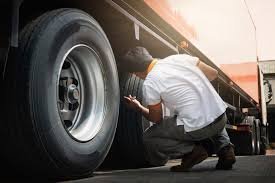
If you’ve been running trucks long enough, you already know this, DOT inspections aren’t something you deal with once a year and forget. They’re always around the corner. Whether it’s a roadside check or a scheduled inspection, your truck either passes… or it doesn’t. And when it doesn’t, you’re looking at downtime, fines, and lost revenue.
That’s why smart operators don’t treat inspections as a last-minute task. They stay ready. And if you’re operating in or around Hamilton, having a reliable plan for DOT inspection in Hamilton is how you keep your trucks moving without interruptions.
Let’s break it down in real-world terms.
What a DOT Inspection Really Means for Your Operation
A DOT inspection isn’t just a checklist; it’s a full look at whether your vehicle is safe and compliant to be on the road.
Inspectors aren’t trying to slow you down, but they will:
- Put your truck out of service
- Issue violations
- Flag your safety record
And once your CSA score starts taking hits, it gets harder to win good loads.
For the Logistics Hustler, this isn’t about rules; it’s about protecting uptime and keeping cash flow steady.
The 6 Levels of DOT Inspections (What You Actually Need to Know)
You don’t need to memorize every level, but you should know what you’re up against.
Level 1 – Full Inspection
This is the big one. They check everything:
- Driver credentials
- Hours of Service (ELD)
- Brake systems
- Tires, lights, suspension
- Cargo securement
If something’s off, you’re not moving.
Level 2 – Walk-Around Inspection
Similar to Level 1 but without going under the truck.
Still serious. Still enough to shut you down if issues show up.
Level 3 – Driver-Only Inspection
This focuses on:
- License
- Medical card
- Logs
Even if your truck is perfect, paperwork mistakes can cost you.
Level 4 – Special Inspection
These are one-off checks targeting specific items.
You don’t see them often, but when you do, they’re focused.
Level 5 – Vehicle-Only Inspection
No driver involved, just the truck and trailer.
Often done at your yard or during scheduled checks.
Level 6 – Hazardous Materials Inspection
For hazmat loads, this is stricter and more detailed.
If you’re hauling hazmat, you already know, there’s no room for error here.
The Most Common Reasons Trucks Fail
Let’s keep it practical. These are the issues that get fleets in trouble every day:
- Brake violations
- Worn or underinflated tires
- Broken or dim lights
- Suspension problems
- Air leaks
- Improper load securement
None of these is rare. None of these is surprising. And all of them are preventable.
That’s why staying ahead with DOT inspection Hamilton services gives you an edge, you catch problems before the inspector does.
How Failed Inspections Hit Your Bottom Line
A failed DOT inspection doesn’t just mean fixing a problem. It stacks up fast:
- Out-of-service time
- Towing or roadside repair costs
- Missed delivery windows
- Fines and penalties
- Higher CSA scores
And once your record takes a hit, brokers notice. Shippers notice. Insurance companies notice.
That’s how one bad inspection turns into long-term damage.
Pre-Trip Inspections: Your First Line of Defense
Every driver should be doing a solid pre-trip. No shortcuts.
That means checking:
- Brakes
- Tires
- Lights
- Fluid levels
- Coupling systems
- Trailer condition
It takes 10–15 minutes. Skipping it can cost thousands.
Operators who stay consistent here avoid most roadside surprises.
Why Preventive Maintenance Beats Last-Minute Fixes
Here’s the difference between struggling fleets and profitable ones:
Struggling fleets fix things when they break.
Smart fleets fix things before they break.
Preventive maintenance helps you:
- Avoid major repairs
- Reduce downtime
- Stay compliant
- Keep drivers moving
And when inspection time comes, you’re not scrambling, you’re ready.
That’s the role of reliable DOT inspection Hamilton support. It keeps everything predictable.
Real-World Example
Let’s say a truck rolls into Hamilton for a delivery.
The driver skips a proper pre-trip. There’s a minor air leak, nothing obvious.
At a roadside Level 1 inspection:
- Leak gets flagged
- The truck goes out of service
- Delivery delayed
- The broker issues a penalty
What could’ve been a quick fix in the yard turns into a full operational setback.
This is how small mistakes turn into high costs.
Staying Competitive in a Tight Market
If you’re competing for loads, your safety record matters more than ever.
Carriers with:
- Clean inspection records
- Low violation rates
- Reliable uptime
…get better opportunities.
Those with frequent issues? They get passed over.
Staying on top of DOT inspection Hamilton requirements isn’t just about compliance, but it’s how you stay competitive.
What Smart Fleet Operators Do
The operators who stay ahead don’t overcomplicate things. They focus on what works:
- Regular inspections (not just when required)
- Strong maintenance routines
- Quick repairs when issues show up
- Keeping drivers trained and accountable
They don’t wait for problems; they prevent them.
Driver Accountability Matters
Even with the best maintenance plan, drivers play a huge role.
They’re the ones on the road. They see the equipment every day.
Fleets that perform well:
- Train drivers properly
- Enforce inspection routines
- Encourage reporting issues early
Because the earlier a problem is reported, the cheaper it is to fix.
The Bottom Line
DOT inspections aren’t going anywhere. If anything, they’re getting stricter.
For owner-operators and fleet managers, the goal isn’t just to pass, it’s to pass without stress, without delays, and without losing money.
That’s why having a dependable plan for DOT inspection in Hamilton makes all the difference.
Stay ready, stay compliant, and keep your trucks on the road, because in this business, uptime is everything.
