
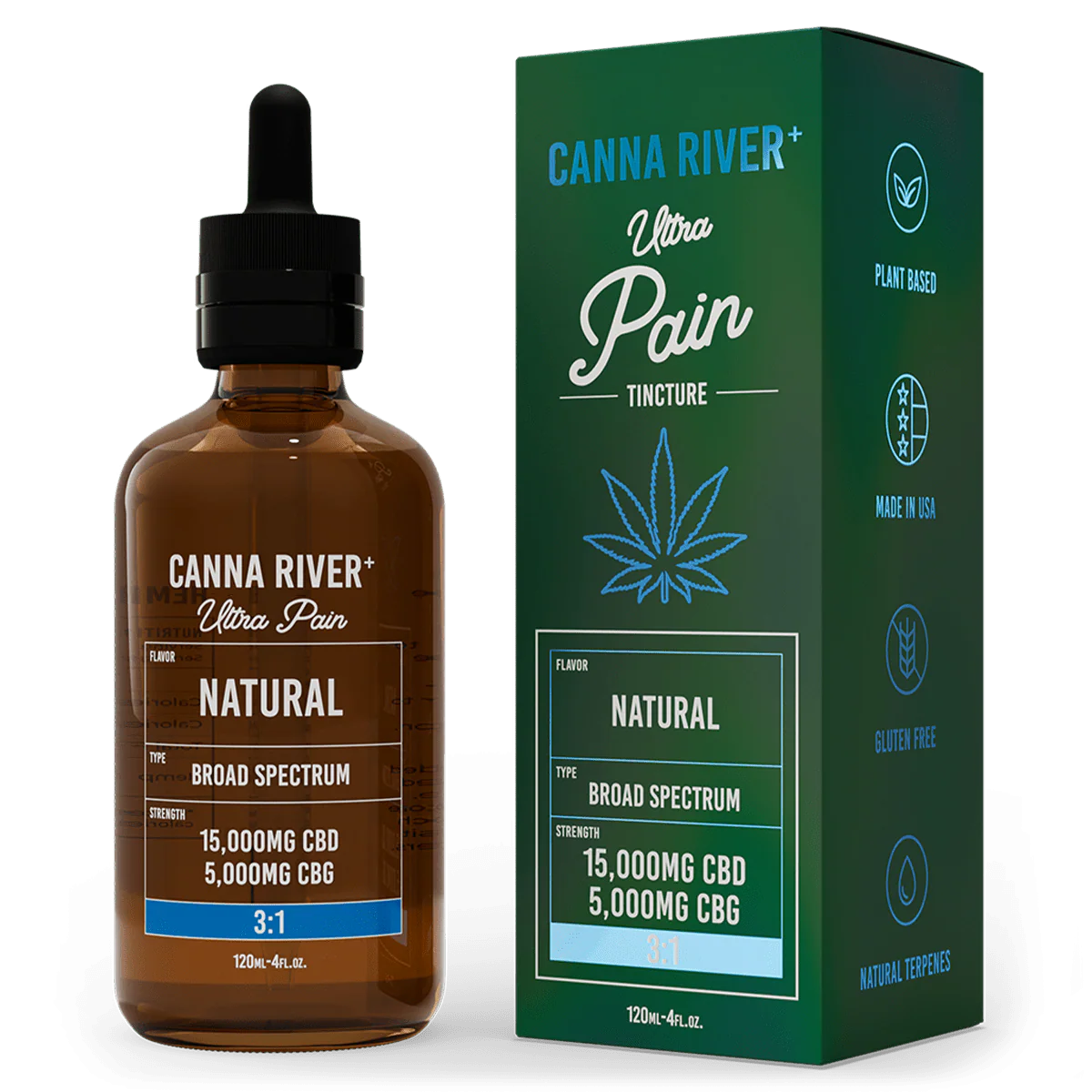
Recent innovations in hemp-derived wellness products are improving transparency and standardization throughout the CBD industry. Increased focus is being placed by industry stakeholders on properly qualified labeling, third-party testing, and education for consumers to facilitate better selection of products that support safety. Full spectrum vs broad spectrum CBD is one of the most talked-about subjects so far that never stops guiding consumers and formulators alike toward better purchasing decisions. With demand growing worldwide, businesses are improving communication protocols to clarify them when it comes to cannabinoid content and product composition details.
The ongoing flexibility around both regulatory transparency and the science itself is creating an accelerating discussion around cannabinoid profiles in consumer wellness markets. More laboratories are using improved chromatography methods for separating minor cannabinoids, terpenes, and THC concentrations to stay compliant with local regulations. Full spectrum vs broad spectrum CBD will always be a key reference point for formulators and retailers wanting to position products with the preference of many consumers in this changing landscape. Industry associations are also launching educational initiatives to give consumers the best information on extraction methods, entourage effects, and product differentiation. To combat these issues, manufacturers are investing in transparent sourcing, better batch tracking systems, and more accurate labeling. These endeavors strive to lessen marketplace confusion and promote both informed choice among the wide array of users and responsible use.
Market analysts cite growing consumer demand for product traceability and industry standardization around testing, identifying both as market differentiators in the increasingly competitive hemp space. In reaction, brands are developing more research partnerships and implementing rigorous quality assurance practices. Digital platforms also play a key role in educating audiences about cannabinoid diversity and formulation science.
As consumers look for greater differentiation between products, full-spectrum vs. broad-spectrum CBD, like the term entourage effect, is often emphasized in comparison charts and educational materials. The deepening awareness is poised to spur innovation in extraction technology and precision formulation, leading to more consistent outcomes and a higher degree of trust in global wellness markets.
And they stress that regulators, scientists and manufacturers should continue to work closely together on the development of baseline product standards and consumer education around cannabinoids, in addition to establishing baselines for best practices across the sector that contribute toward a robust future supported by research innovation from international collaborators about cannabinoid-based wellness solutions over extended durations. That all-in-togetherness is meant to shore up not only safety and reliability but also long-term trust industrywide.
Moreover, continued collaboration can aid in bridging the gap of knowledge relating to dosing, formulation and long-term development by informing product development with evidence rather than conjecture. More data and transparent reporting will allow more accurate guidelines as research continues, providing recommendations for producers as well as consumers. As a result, this not only promotes responsible marketing but also helps in reducing misinformation in the marketplace. Better alignment across the globe means emerging cannabinoid therapies can be tested more efficiently and integrated safely into human wellness regimens. This is a united front that supports innovation while addressing public health concerns and ultimately the platform for future growth of the cannabinoid industry will be much more stable and reliable.
To know more about effective CBD oil please visit our website: cannariver.com
