
Teams face wild weather and urban fires more often in 2026 than ever before. Leaders now rely on a fire mobile command center to lead from the front lines. However, these units turn chaos into clear action plans fast. For instance, they link teams across wide zones without delay. Moreover, rising risks demand tools that move and adapt quick. Therefore, mobile posts lead the way in tough spots. Plus, they save time and lives each day.
Readers gain key facts on tech shifts and real use hurdles ahead. Specifically, you learn why real time monitoring trailers shape response wins in 2026. As a result, later parts show core features and smart fixes. In addition, you grasp steps to blend them into daily drills. Ultimately, this guide arms you for crisis edge. Thus, apply these tips for stronger ops now.
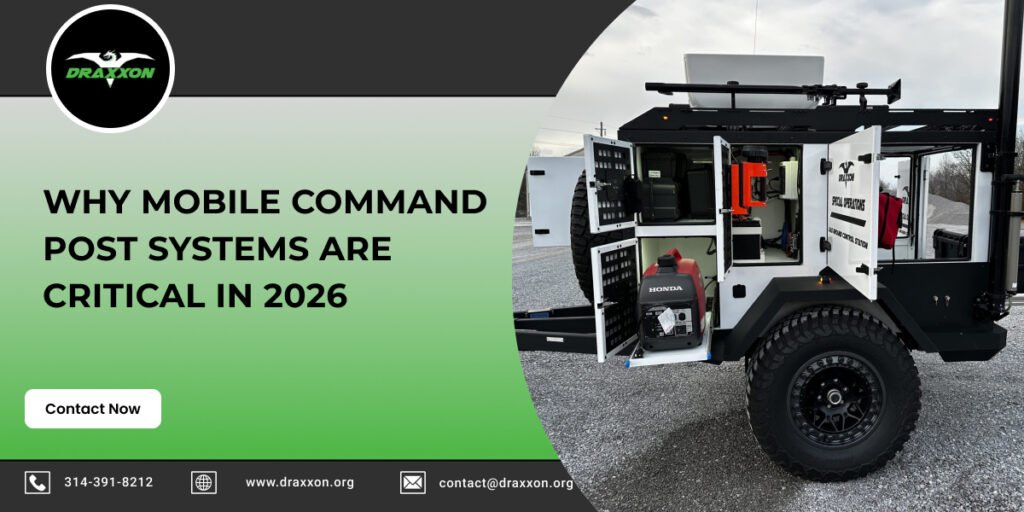
Evolving Role of Mobile Command in Crisis Response
Old fixed bases limit reach when fires spread fast across cities now. Teams shift to wheels for quick setup at the hot zone edge. Moreover, this move cuts response lags by hours in big events. Therefore, leaders gain eyes and ears right where action heats up.
Planners once tied ops to one spot with slow radio links alone. However, public safety command center designs now roll to the scene fully loaded. For instance, they house maps and feeds for on-site choices. As a result, crews act with fresh data every minute.
Core Technologies Powering Mobile Command
Tech drives mobile units to outpace old static setups in 2026 crises. Leaders tap smart tools for sharp views of threats on the ground. However, these boosts demand rugged builds that endure heat and dust. Therefore, key parts below fuel wins in live action.
1. AI-Driven Threat Detection
Systems scan feeds to spot fire paths before they jump lines. Moreover, they warn crews of wind shifts that spark new blazes quick. For instance, alerts pop on screens for split-second calls. As a result, teams dodge traps and save ground.
2. Satellite and 5G Connectivity
Links beam data from orbit when towers fail in smoke zones. Then, mobile command trucks use 5G to speed video shares across teams. However, this mix keeps maps live even in blackouts. Therefore, choices stay sharp amid the fog.
3. Drone Integration Hubs
Drones lift off from trucks to eye blind spots over rubble piles. For example, they track heat from afar for safe paths in. In addition, feeds stream back to plan next moves tight. Thus, views beat boots on risky dirt.
4. Power and Resilience Systems
Solar panels and gensets run gear through long nights without plugs. Moreover, military mobile command center designs shrug off floods with raised floors. However, backups kick in if mains fail under storm hits. Ultimately, uptime holds firm for the full fight.
Real-World Deployment Challenges
Field tests reveal snags that plans miss in calm office reviews. Crews push rigs hard amid flames and floods every shift. However, smart tweaks turn these pains into strength over time. Therefore, common hurdles below demand real fixes now.
1. Terrain and Weather Barriers
Rough hills bog down heavy rigs with low clearance in mud. Moreover, storms flood access roads and halt roll-ins for hours. For instance, high winds topple antennas on open fields quick. As a result, teams scout paths ahead each time.
2. Communication Blackouts
Smoke jams signals and cuts links to far units often. Then, backup radios fade in thick walls of urban blaze zones. However, this gap leaves groups blind to shifts on site.
3. Scalability Under Surge
Small setups choke when dozens of crews flood in at once. For example, one trailer maxes screens for multi-front fights. In addition, power draws spike and crash feeds mid-call. Thus, real time monitoring trailers expand quick for big waves.
4. Crew Training Gaps
New hands fumble controls under stress of first live hits. However, drills build speed but skip rare combo threats well. Moreover, shift changes lose key know-how in the rush.
5. Cost-Benefit Realities
Upfront spends hit hard for fleets in tight budgets yearly. Then, upkeep eats funds that brass eyes close for cuts. For instance, fire mobile command center repairs mount after rough runs.
Strategic Integration for Incident Mastery
Bosses blend mobile posts into full plans for top control in chaos. Teams pair them with ground scouts for views from all sides. Moreover, this mix speeds calls that save hours and cut harm wide. Therefore, seamless ties lift every op high.
Leaders drill mobile command trucks roles weekly to lock smooth flows. However, they link feeds to main hubs for shared big views fast. For instance, chiefs spot trends early across wide event zones. As a result, wins stack from smart whole-scene grasp.
Frequently Asked Questions (FAQs)
1. What sets mobile command apart from fixed bases in 2026?
Wheels let you roll right to the fire edge for fast views. Moreover, they link drones and cams live unlike stuck rooms.
2. How do drones boost command post power?
Drones scout hot zones safe from afar with clear feeds back. Thus, chiefs plan paths without risk to ground teams.
3. Why face comms blackouts in big fires?
Smoke blocks towers and jams radios in thick urban walls quick. However, multi-bands and sats cut through the mess well.
Activate Mobile Command in Your Operations
Leaders test fire mobile command center setups in mock runs weekly now. Crews field rigs under fake fire loads to spot weak links fast. Moreover, they log data on comms hold and drone links for tweaks. For instance, repeat drills hone speed for true hits. However, gather team notes after each to fix flaws deep. Therefore, live ops flow smooth with gains that stack high. Plus, upgrades from tests build edge that lasts years.
