
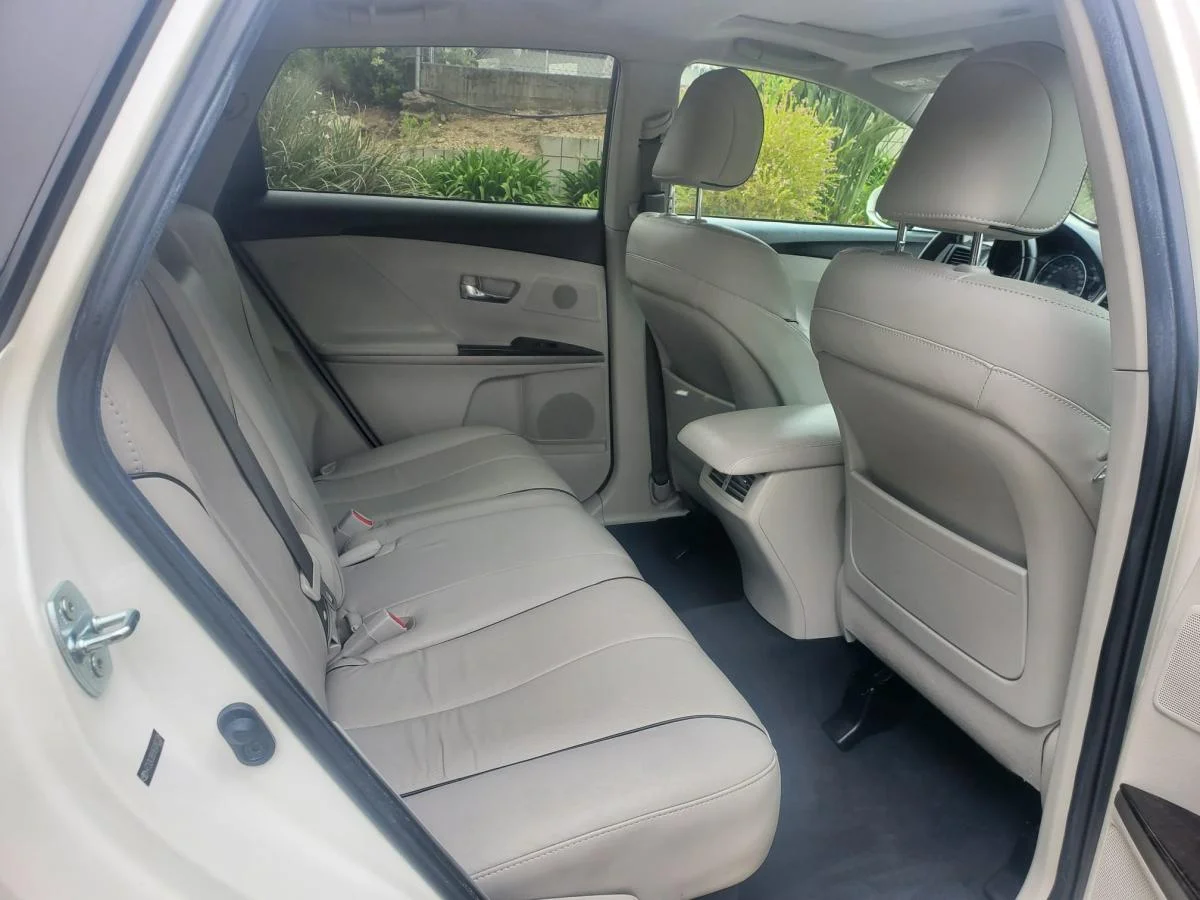
Why Seat Adjustment Controls Get So Dirty
Seat controls are usually located along the lower side of the seat, making them a natural collection point for contaminants.
Common sources of buildup include:
- Dust from shoes and clothing
- Food crumbs
- Dirt tracked into the vehicle
- Pet hair
- Skin oils from frequent contact
- Interior cleaning residue
Because these controls are positioned low in the cabin, they often receive less attention during routine cleaning.
One common mistake I see is people thoroughly cleaning the seat upholstery while completely ignoring the controls attached to it. The seat looks refreshed, but the switches still appear dull, dusty, and neglected.
Identify the Type of Seat Controls
Before cleaning, it helps to understand what type of controls you’re dealing with.
Most vehicles have one of three styles:
Manual Adjustment Levers
Typically found in older or entry-level vehicles, these are mechanical handles used to move or recline the seat.
Power Seat Switches
Modern vehicles often use electric controls with multiple buttons or rocker switches.
Memory Seat Controls
Premium vehicles may include additional buttons for memory settings and seat positioning.
While the cleaning process is similar, electronic controls require extra caution around moisture.
Start With Dry Cleaning First
The safest way to begin is by removing loose debris before introducing any liquid cleaners.
Useful tools include:
- Soft detailing brushes
- Microfiber cloths
- Compressed air
- Small vacuum attachments
Brush around the controls gently while vacuuming nearby.
Pay attention to:
- Gaps around switches
- Button edges
- Areas where controls meet seat trim
- Crevices underneath adjustment levers
Removing loose debris first prevents dirt from turning into muddy residue later.
Insider Tip: Move the Seat Before Cleaning
One trick experienced detailers often use is moving the seat through its full range of motion before starting.
This exposes hidden debris that collects around the controls and seat tracks. You may be surprised how much dust appears once the seat is adjusted forward and backward.
Use Minimal Moisture
Seat controls often contain electrical components, so excessive liquid should always be avoided.
Instead of spraying cleaner directly onto the controls:
- Spray a microfiber cloth lightly.
- Wipe the controls carefully.
- Follow with a dry microfiber towel.
This provides better control while reducing the risk of moisture entering the switch housing.
A mild interior cleaner is usually sufficient for routine cleaning.
Cleaning Around Tight Spaces
Many seat adjustment controls feature narrow gaps where dirt accumulates.
A soft detailing brush works particularly well in these areas.
Use gentle motions to loosen buildup around:
- Switch edges
- Button seams
- Plastic trim joints
- Surrounding seat panels
Once loosened, remove debris using a vacuum or microfiber towel.
Avoid forcing brushes into openings, especially around power seat controls.
Removing Sticky Residue
Seat controls occasionally develop sticky buildup from spilled drinks, hand lotions, or interior protectants.
When this occurs:
- Apply cleaner to a cloth, not directly to the control
- Wipe repeatedly using light pressure
- Use cotton swabs for narrow edges
Patience is important. Several gentle passes are usually safer than one aggressive cleaning attempt.
I once worked on a vehicle where the owner believed the seat switch was failing. In reality, years of accumulated residue around the switch edges had simply restricted its movement. A careful cleaning restored normal operation.
Pay Attention to Surrounding Plastic Trim
The controls themselves are only part of the area.
The surrounding trim often collects:
- Dust
- Scuff marks
- Shoe contact residue
- Dirt transferred from clothing
Cleaning these surfaces helps the controls blend naturally into the rest of the interior.
After wiping the controls, continue onto the adjacent plastic panels for a more complete finish.
Cleaning Manual Seat Levers
Manual adjustment levers are generally less sensitive to moisture than power switches, but they still benefit from careful cleaning.
Focus on:
- Handle surfaces
- Pivot points
- Plastic covers
- Adjacent trim
Compressed air can help remove debris trapped around moving components.
Avoid applying lubricants unless specifically recommended by the vehicle manufacturer.
Cleaning Power Seat Switches
Power seat controls deserve additional care.
Use:
- Soft brushes
- Lightly damp microfiber towels
- Compressed air
Never saturate the controls with cleaner.
If dirt appears trapped beneath a switch edge, use a detailing brush rather than attempting to pry the switch open.
Insider Tip: Use Compressed Air Before Wiping
Many people wipe first and blow out debris later.
Experienced detailers often reverse the process.
Compressed air removes loose particles before they can be smeared across the surface, reducing cleaning time and improving results.
Inspect Functionality After Cleaning
Once the controls are clean and dry, test every adjustment function.
Check:
- Forward and backward movement
- Recline adjustments
- Height controls
- Lumbar support functions
- Memory settings if equipped
Buttons should move smoothly without sticking.
If a switch still feels restricted, additional cleaning around the edges may be necessary.
Preventing Future Buildup
Regular maintenance is easier than deep cleaning neglected controls.
Simple habits include:
- Vacuuming seat areas regularly
- Cleaning spills promptly
- Wiping controls during routine interior maintenance
- Avoiding excessive use of greasy interior dressings
These small steps help keep the controls functioning properly and looking clean.
According to professionals who specialize in maintaining vehicle interiors, consistent attention to small touchpoints often has a significant impact on the overall appearance of a vehicle. Similar detailing practices are highlighted in this guide on car wash montrose ca, where thorough interior maintenance is emphasized alongside regular cleaning routines.
Common Mistakes to Avoid
Several cleaning habits can create unnecessary problems.
Spraying Cleaner Directly on Controls
This increases the risk of moisture entering electronic components.
Using Excessive Force
Aggressive scrubbing may damage switch markings or surrounding trim.
Ignoring Crevices
Most buildup hides in the small gaps around controls.
Overusing Interior Dressings
Heavy products attract dust and can create sticky residue over time.
A gentle, controlled approach almost always produces better results.
Seasonal Factors That Affect Seat Controls
Different seasons bring different contaminants into the vehicle.
Summer
Sunscreen, sweat, and dust tend to accumulate more quickly.
Fall
Leaves and organic debris often find their way into seat tracks and control areas.
Winter
Road salt and moisture can be transferred from clothing and footwear.
Spring
Pollen and fine dust increase overall interior contamination.
Adjusting cleaning frequency throughout the year helps maintain a cleaner interior.
Final Thoughts
Seat adjustment controls may be small components, but they play an important role in both the appearance and functionality of a vehicle’s interior. Because they are touched frequently and positioned in high-debris areas, they require occasional attention to stay clean and operate smoothly.
Also read for more information so click here.
