
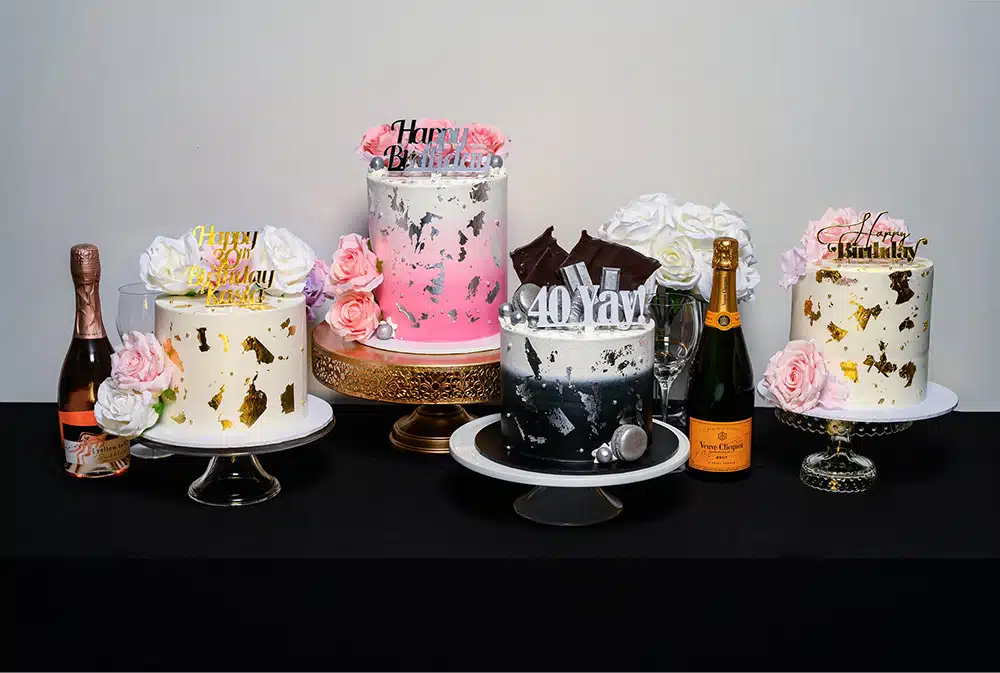
Birthday celebrations often bring people together around food, music, and shared moments. Among all elements of a birthday, cake holds a central place. The flavor of the cake plays a major role in shaping how people remember the occasion. Selecting the right cake flavor is not only about taste preference but also about considering the guests, the type of event, and the overall mood of the celebration.
Different people enjoy different taste profiles, and a thoughtful selection can help ensure that most guests enjoy the cake. Some prefer rich and heavy flavours, while others lean towards light and fruity options. There are also cultural and seasonal influences that can guide the decision. Understanding these factors can help in making a suitable choice for any birthday event.
This article explains how to select a birthday cake flavour by looking at personal taste, event type, age group, dietary needs, and pairing options.
Understanding Personal Taste Preferences
The first step in choosing a cake flavour is to understand the preferences of the person being celebrated. Taste is shaped by past experiences, cultural background, and familiarity with ingredients.
Some people enjoy chocolate-based flavours due to their rich and deep taste profile. Others prefer vanilla because of its mild and balanced nature. Fruit-based flavours appeal to those who enjoy lighter desserts with natural sweetness.
When the preference of the birthday person is known, the selection becomes more focused. When it is not known, it is useful to choose flavours that are widely accepted by most guests.
Common Birthday Cake Flavours
There are several cake flavours that are commonly used for birthday celebrations. Each has its own taste profile and texture experience.
Chocolate Cake
Chocolate cake is often chosen for its rich and deep taste. It is made using cocoa, which provides a strong flavour profile. It pairs well with chocolate ganache, cream fillings, and nut-based layers. It is often selected for evening celebrations and events where guests prefer a strong dessert taste.
Vanilla Cake
Vanilla cake has a mild and balanced flavour. It works well with a variety of fillings such as fruit jam, custard, or cream. Because of its neutral profile, it is often chosen for mixed age groups.
Red Velvet Cake
Red velvet cake has a light cocoa taste with a soft texture. It is usually paired with cream cheese frosting. Its colour and texture make it a popular option for formal birthday gatherings.
Fruit-Based Cake
Fruit-based cakes use ingredients such as berries, mango, or pineapple. These cakes offer a lighter taste profile and are often selected for daytime celebrations or warm weather events.
Butterscotch Cake
Butterscotch cake provides a caramel-like flavour. It combines sweetness with a slight crunch from caramel pieces. It is often chosen for those who enjoy rich dessert profiles without chocolate.
A wide range of kids birthday cakes designed for different themes, colours, and flavours can be viewed here: https://www.thecakepeople.au/collections/kids-birthday-cakes
Matching Cake Flavours to Age Groups
Different age groups often have different flavour preferences.
Children generally prefer sweet and colourful cakes. Chocolate and vanilla flavours are commonly selected for younger age groups due to their familiar taste.
Teenagers often prefer more varied flavours such as red velvet, chocolate truffle, or layered fruit combinations.
Adults may prefer balanced flavours such as vanilla with fruit filling, dark chocolate, or coffee-based cakes. Older adults sometimes prefer lighter sweetness levels and fruit-based cakes.
Considering Event Type and Setting
The type of birthday event can also guide flavour selection.
A small family gathering may focus on familiar flavours that suit all members. A large social event may require a flavour that appeals to a wide range of guests.
Daytime celebrations often suit lighter flavours such as fruit or vanilla. Evening events may include richer flavours such as chocolate or caramel-based cakes.
Outdoor celebrations may benefit from flavours that hold structure well in warmer conditions, such as dense chocolate or butter-based cakes.
Dietary Considerations
Some guests may have dietary needs that influence cake selection.
Sugar-controlled diets require reduced sweetness levels or alternative sweeteners. Some cakes can be prepared with less sugar content while still maintaining flavour balance.
Lactose sensitivity may require dairy-free cream or plant-based substitutes.
Gluten-related conditions require gluten-free flour alternatives. These cakes still maintain flavour but use different baking methods and ingredients.
Understanding these needs helps in ensuring that more guests can enjoy the cake without restrictions.
Seasonal Influence on Cake Flavour Selection
Seasonal conditions can influence taste preferences.
During warmer months, lighter flavours such as lemon, mango, or berry-based cakes are often preferred. These flavours feel less heavy and are more refreshing.
During cooler months, richer flavours such as chocolate, caramel, or spiced cakes are more commonly selected. These flavours provide a deeper taste experience that aligns with colder weather.
Seasonal fruits also play a role in flavour selection. Fresh fruit availability can guide the type of cake prepared.
Pairing Cake Flavours with Fillings and Frosting
Cake flavour does not stand alone. It is closely connected with fillings and frosting.
Chocolate cake pairs well with chocolate ganache, hazelnut cream, or coffee cream. Vanilla cake pairs well with strawberry jam, custard, or buttercream. Fruit-based cakes pair well with light cream, whipped topping, or fruit compote.
Frosting also affects the final taste. Buttercream adds sweetness and structure, while whipped cream adds a lighter texture. Cream cheese frosting provides a slight tang that balances sweet flavours.
Selecting Cake Flavours in Melbourne Birthday Events
Birthday celebrations in Melbourne often include a wide range of cake preferences due to cultural diversity. Many bakeries in the city offer varied flavour options to suit different celebrations.
In Melbourne, there are services that prepare cakes for different occasions with attention to flavour selection. One such service is known for preparing cakes that align with customer preferences for birthdays and celebrations. The service offers flavour combinations that include chocolate, vanilla, and fruit-based options, along with layered designs suited for different age groups and event types. It also caters to dietary variations, which helps in accommodating a wider group of guests at birthday events.
Among its offerings is a service described as best birthday cakes in melbourne, which focuses on birthday celebrations where flavour choice is matched with event needs. This includes cakes designed for family gatherings, formal events, and themed birthday parties, ensuring that flavour selection aligns with the occasion.
Practical Steps for Choosing the Right Cake Flavour
A structured approach can help in selecting the right flavour:
- Identify the preference of the birthday person
- Consider the number and age range of guests
- Review the event setting and timing
- Check dietary requirements among attendees
- Match flavour with filling and frosting options
- Consider seasonal ingredient availability
These steps help in narrowing down choices and selecting a flavour that fits the event context.
Common Mistakes to Avoid
Some common errors occur when selecting cake flavours.
Choosing a flavour based only on appearance without considering taste can lead to dissatisfaction. Ignoring guest preferences may also reduce enjoyment during the event. Overly rich flavours for daytime events may feel heavy for some guests. Similarly, very light flavours for evening events may feel less satisfying for certain preferences.
Balancing taste, event type, and guest profile is important.
Conclusion
Selecting a birthday cake flavour involves understanding taste preferences, event context, and guest needs. There are many flavour options available, ranging from chocolate and vanilla to fruit-based and specialty cakes. Each flavour brings a different experience to the celebration.
Considering dietary requirements, seasonal influences, and pairing combinations also helps in refining the choice. A well-selected cake flavour contributes to a more enjoyable birthday experience and leaves a lasting impression on guests.
