
The hospitality industry has evolved dramatically in recent years, with architecture playing a central role in shaping luxury travel experiences across the world. Modern hotels, resorts, and wellness retreats are no longer designed solely for accommodation but as immersive environments that combine comfort, aesthetics, and cultural identity.
The contribution of hospitality architecture firms in India has become increasingly significant in creating innovative hospitality spaces that meet global standards of luxury and sustainability. Through intelligent design, advanced technology, and human-centric planning, architects are redefining hospitality experiences and influencing how travelers engage with modern urban and leisure destinations worldwide.
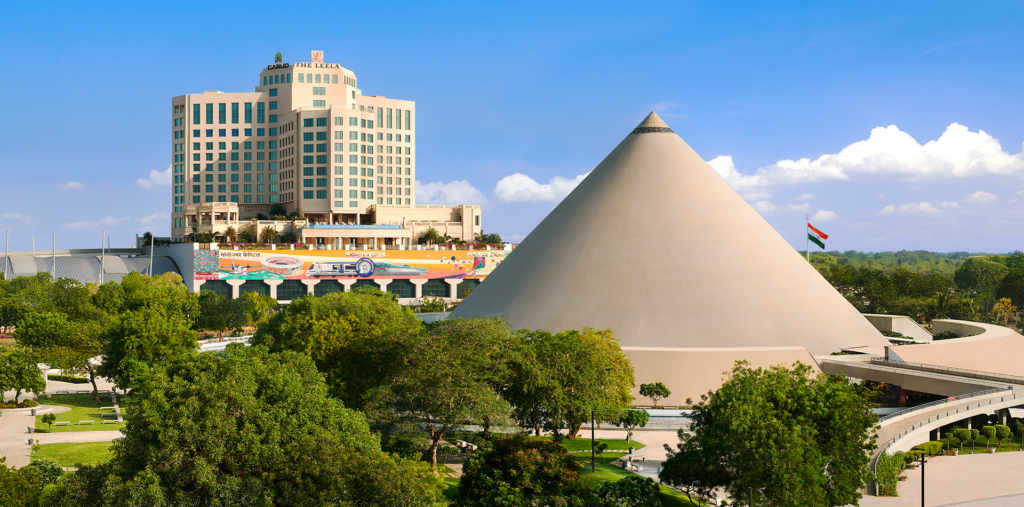
The Evolution of Hospitality Architecture
Hospitality architecture has transformed from traditional hotel construction into a highly specialized field focused on creating memorable guest experiences. Today’s luxury hospitality spaces are designed to deliver emotional engagement, comfort, and functionality while reflecting local culture and environmental context.
Modern hospitality projects often integrate accommodation, wellness, entertainment, dining, and recreational experiences into a single cohesive environment. Architects carefully plan spatial flow, lighting, materials, and landscape integration to create immersive and visually distinctive spaces.
The influence of hospitality architecture firms in India is increasingly visible in global hospitality trends. Indian architects are bringing together sustainability, cultural storytelling, and contemporary design to create hospitality projects that appeal to both domestic and international travelers.
Designing Experiences Through Architecture
One of the defining characteristics of modern hospitality architecture is its focus on experiential design. Hotels and resorts are no longer viewed simply as places to stay but as destinations that provide unique sensory and emotional experiences.
Architects are creating spaces that engage guests through natural surroundings, open layouts, artistic elements, and carefully curated interiors. Every design element, from arrival zones to guest rooms and public spaces, contributes to the overall hospitality experience.
The expertise of famous architects in India has helped elevate experiential hospitality design by blending local traditions with contemporary aesthetics. Architects are increasingly drawing inspiration from regional architecture, materials, and landscapes to create culturally rich and visually immersive environments.
Sustainability in Hospitality Architecture
Sustainability has become a critical aspect of hospitality architecture due to the industry’s high environmental impact. Hotels and resorts consume significant amounts of energy, water, and resources, making environmentally conscious design an essential priority.
Architects are increasingly adopting sustainable building practices to reduce operational costs and environmental footprints. Renewable energy systems, water conservation technologies, passive cooling techniques, and eco-friendly construction materials are now widely integrated into hospitality projects.
The growing influence of hospitality architecture firms in India is helping promote sustainable hospitality development on a global scale. Architects are designing resorts and hotels that minimize ecological disruption while maximizing energy efficiency and guest comfort.
Technology Shaping Luxury Hospitality Spaces
Technology has significantly transformed hospitality architecture by improving operational efficiency and enhancing guest experiences. Smart systems are now integrated into hospitality environments to create more seamless, personalized, and connected stays.
Automated lighting, climate control, digital check-in systems, and intelligent room management technologies are becoming standard features in luxury hotels and resorts. These innovations improve convenience while optimizing energy efficiency and resource management.
Architects are also using advanced digital tools such as Building Information Modeling (BIM), 3D visualization, and environmental simulation software to improve design accuracy and sustainability performance.
The contribution of famous architects in India is evident in projects that successfully combine technological innovation with sophisticated hospitality design. Their work demonstrates how architecture can adapt to evolving traveler expectations and operational requirements.
Wellness-Centered Hospitality Design
Wellness has become one of the most influential trends in hospitality architecture. Travelers increasingly seek environments that promote physical relaxation, mental well-being, and holistic experiences.
Architects are integrating wellness-focused elements such as spa facilities, meditation spaces, natural landscapes, fitness zones, and biophilic design features into hospitality projects. Open layouts, calming materials, and natural lighting contribute to stress reduction and emotional comfort.
The influence of hospitality architecture firms in India can be seen in projects that prioritize wellness alongside luxury and functionality. Architects are creating spaces that encourage mindfulness, social interaction, and a deeper connection with nature.
Cultural Identity in Global Hospitality Design
Cultural authenticity has become increasingly important in modern hospitality architecture. Travelers now value experiences that reflect local traditions, heritage, and regional aesthetics.
Architects are responding by incorporating vernacular design elements, indigenous materials, and culturally inspired spatial concepts into hospitality projects. This approach helps create distinctive environments that stand out in a competitive global tourism market.
The work of famous architects in India reflects a strong ability to balance global luxury standards with cultural sensitivity and contextual design. Indian hospitality architecture often integrates traditional craftsmanship, climate-responsive planning, and regional storytelling into contemporary hospitality spaces.
Challenges in Hospitality Architecture
Despite rapid innovation, hospitality architecture faces several complex challenges. Rising construction costs, environmental regulations, changing traveler expectations, and climate-related risks require architects to develop highly adaptable design solutions.
Hospitality projects must balance luxury, operational efficiency, and sustainability while remaining financially viable. Architects are expected to create spaces that deliver long-term value and resilience in an increasingly competitive market.
Climate resilience has also become a critical concern, particularly for coastal resorts and urban hospitality developments. Architects must design structures capable of withstanding extreme weather conditions while maintaining environmental efficiency.
The growing recognition of hospitality architecture firms in India reflects their ability to address these challenges through innovative and sustainable design approaches that support evolving global hospitality trends.
Future hospitality architecture will require even greater collaboration between architects, developers, technologists, and sustainability experts.
Conclusion
Hospitality architecture is transforming the global travel industry by creating luxury environments that combine sustainability, technology, wellness, and cultural identity. Modern hospitality spaces are designed to deliver immersive guest experiences while supporting environmental responsibility and operational efficiency. The contribution of famous architects in India continues to influence hospitality design worldwide through innovative and human-centered architectural approaches. Among the firms shaping this evolution, CP Kukreja Architects stands out for its multidisciplinary expertise, commitment to sustainable architecture, and visionary design philosophy, consistently creating iconic hospitality spaces that redefine luxury experiences and future-ready urban development on both national and international platforms.
